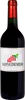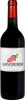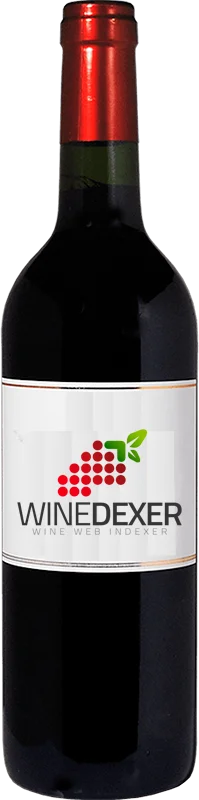
Winery Rue de VinLa Collection Les Amis Tsurube Merlot
 Red wine



This wine generally goes well with beef and game (deer, venison).

Food and wine pairings with La Collection Les Amis Tsurube Merlot
Pairings that work perfectly with La Collection Les Amis Tsurube Merlot


Original food and wine pairings with La Collection Les Amis Tsurube Merlot
The La Collection Les Amis Tsurube Merlot of Winery Rue de Vin matches generally quite well with dishes of beef or game (deer, venison) such as recipes of roast pork with pineapple or duck stew.
Details and technical informations about Winery Rue de Vin's La Collection Les Amis Tsurube Merlot.
Discover the grape variety: Merlot
Round and fleshy reds with a velvety texture, showing aromas of ripe plum, black cherry, cocoa and truffle notes with age. Supple tannins, generous alcohol, indulgent finish. Pillar of Libournais (Pomerol with Pétrus, Saint-Émilion with Cheval Blanc and Ausone) and signature of Super Tuscans, Italian Wales and Washington State. A cross of Cabernet Franc × Magdeleine Noire, France's most planted red variety.
Last vintages of this wine
The best vintages of La Collection Les Amis Tsurube Merlot from Winery Rue de Vin are 2017, 0, 2016
Informations about the Winery Rue de Vin
The Winery Rue de Vin is one of of the world's greatest estates. It offers 28 wines for sale in the of Nagano-ken to come and discover on site or to buy online.

The wine region of Nagano-ken
Alpine wine prefecture of central Japan (Honshu), the 2nd national region, high-altitude vineyards (600-900 m). Signature Merlot of Kikyogahara: supple, precise reds with signature notes of plum, cherry, sweet herbs, cedar and a cocoa touch, round tannins and elegant freshness — rivalling the Bordeaux wines. Renowned broad, mineral Chardonnay, fine and silky Pinot Noir. Also historic hybrid grapes (Concord, Niagara).
The word of the wine: Traditional method
Also known as the Champagne method, this is the elaboration of sparkling wines according to the second fermentation method in the bottle.