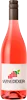
Winery Ρουβάλης (Rouvalis)Μικρός Βοριάς Rosé
 Pink wine


This wine generally goes well with beef, lamb or mature and hard cheese.

Food and wine pairings with Μικρός Βοριάς Rosé
Pairings that work perfectly with Μικρός Βοριάς Rosé



Original food and wine pairings with Μικρός Βοριάς Rosé

The Μικρός Βοριάς Rosé of Winery Ρουβάλης (Rouvalis) matches generally quite well with dishes of beef, lamb or spicy food such as recipes of navarin of lamb, lamb stew from my mum or pasta with puttanesca sauce.
Details and technical informations about Winery Ρουβάλης (Rouvalis)'s Μικρός Βοριάς Rosé.
Discover the grape variety: Pineau d'Aunis
Light, spicy reds with a clear ruby robe, fine tannins and fresh acidity, with characteristic aromas of black pepper, red fruit (raspberry, redcurrant), spice and herbal notes. Airy, refreshing palate with a signature peppery finish. Also made as very expressive, taut rosés. Star of Coteaux du Vendômois AOC, present in Anjou, Touraine and Coteaux du Loir AOC. Autochthonous Loire Valley variety, present since the 12th century (favourite wine of Henry Plantagenet).
Last vintages of this wine
The best vintages of Μικρός Βοριάς Rosé from Winery Ρουβάλης (Rouvalis) are 2016, 0
Informations about the Winery Ρουβάλης (Rouvalis)
The Winery Ρουβάλης (Rouvalis) is one of of the world's great estates. It offers 23 wines for sale in the of Slopes of Egialia to come and discover on site or to buy online.

The wine region of Slopes of Egialia
PGI of north-eastern Achaia on the slopes of the Gulf of Corinth (PGI 1997, heroic viticulture on terraces at 250–1,100 m, average 862 m, slope 33. 5%, rare north-facing exposure in Greece, cool summer breezes): Roditis native white as the signature variety (90% of production) — rich body with preserved acidity, great ageing potential and high altitude requirements. Mavrodaphne and other native varieties as complements, spectacular landscape.
The wine region of Peloponnesos
Southern Greece, the country's 2nd region by volume, high-altitude vineyards (200-900 m). Signature Agiorgitiko at Nemea ("Hercules' Blood"): deep ruby reds with signature notes of black cherry, plum, blackberry, sweet spices and a balsamic touch, supple tannins and a velvety palate — fleshy and accessible. At Mantinia (600 m), pink-skinned Moschofilero gives aromatic whites (rose, citrus, white flowers). Sweet fortified Mavrodaphne, fresh Roditis.
The word of the wine: Ugni blanc
White grape variety of Italian origin, and the main white variety grown in France. Its large bunches give fine, light and lively wines, suitable for distillation: today it is the main variety for making cognac and armagnac. Ugni blanc, which is a little richer in alcohol when grown in Mediterranean regions, is used in the blending of the Provence and Corsica appellations, often in association with other grape varieties that bring aromas and structure, such as clairette, grenache blanc or sauvignon. Ugni blanc is also used, on a secondary basis, in the production of certain white wines in Gironde (AOC Bordeaux, Entre-deux-Mers, etc.).