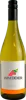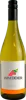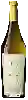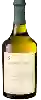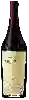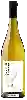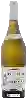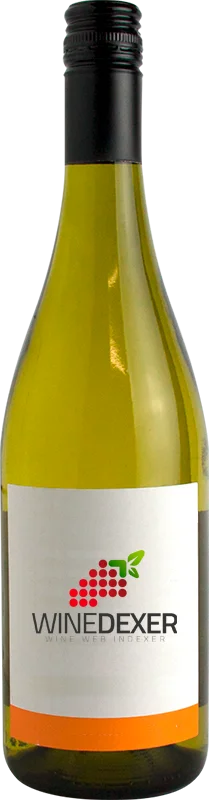
Winery Robert AvietVin Jaune Arbois
 White wine
This wine generally goes well with poultry, mature and hard cheese or mushrooms.
Food and wine pairings with Vin Jaune Arbois
Pairings that work perfectly with Vin Jaune Arbois


Original food and wine pairings with Vin Jaune Arbois

The Vin Jaune Arbois of Winery Robert Aviet matches generally quite well with dishes of spicy food, mature and hard cheese or poultry such as recipes of pakistani rice (biryani), lasagna of the sea with zucchini or peach and apricot chicken (about 270 calories).
Details and technical informations about Winery Robert Aviet's Vin Jaune Arbois.
Discover the grape variety: Merlot
Merlot is a red grape variety with small black berries that appeared at the end of the 18th century. It is produced in most of the Bordeaux terroirs, where it represents 58% of the planted area, and its best terroir is located in Pomerol and Saint-Emilion on cool, clay-limestone soils. At the mythical Château Pétrus, the wine is made with 95% Merlot, with a dark, dense colour, aromas of red and black fruits and a superb range of flavours, the Merlot transforms during its ageing to give way to notes of prunes, undergrowth and spices. On the palate, it is supple with distinguished tannins. It is often blended with Cabernet Sauvignon. Merlot is no longer exclusive to Bordeaux, it is nowadays vinified all over the world.
Informations about the Winery Robert Aviet
The Winery Robert Aviet is one of of the world's greatest estates. It offers 5 wines for sale in the of Jura to come and discover on site or to buy online.

The wine region of Jura
The Jura is a small wine region in eastern France that is responsible for some very special and traditional wine styles. It is close to the Swiss Jura, but quite distinct from it. Wedged between Burgundy to the west and Switzerland to the east, the region is characterized by a landscape of Wooded hills and the winding topography of the Jura Mountains. The Jura vineyards cover just over 1,850 hectares, forming a narrow strip of land almost 80 km Long from North to South.
The word of the wine: Deposit
Solid particles that can naturally coat the bottom of a bottle of wine. It is rather a guarantee that the wine has not been mistreated: in fact, to avoid the natural deposit, rather violent processes of filtration or cold passage (- 7 or - 8 °C) are used in order to precipitate the tartar (the small white crystals that some people confuse with crystallized sugar: just taste to dissuade you from it)