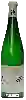
Winery RinkeSchiefergestein Saar Pinot Blanc Trocken
 White wine



In the mouth this white wine is a with a nice freshness.
This wine generally goes well with rich fish (salmon, tuna etc), shellfish or mild and soft cheese.

Taste structure of the Schiefergestein Saar Pinot Blanc Trocken from the Winery Rinke
Light | Bold | |
Dry | Sweet | |
Soft | Acidic |
In the mouth the Schiefergestein Saar Pinot Blanc Trocken of Winery Rinke in the region of Mosel is a with a nice freshness.
Wine flavors and olphactive analysis

On the nose the Schiefergestein Saar Pinot Blanc Trocken of Winery Rinke in the region of Mosel often reveals types of flavors of citrus fruit.
Food and wine pairings with Schiefergestein Saar Pinot Blanc Trocken
Pairings that work perfectly with Schiefergestein Saar Pinot Blanc Trocken



Original food and wine pairings with Schiefergestein Saar Pinot Blanc Trocken

The Schiefergestein Saar Pinot Blanc Trocken of Winery Rinke matches generally quite well with dishes of rich fish (salmon, tuna etc), shellfish or mild and soft cheese such as recipes of tuna gratin, lobster in court-bouillon or pasta alla caprese (tomato and mozzarella pasta).
Details and technical informations about Winery Rinke's Schiefergestein Saar Pinot Blanc Trocken.
Discover the grape variety: Pinot blanc
Round, supple whites with a soft palate, showing discreet aromas of apple, pear, fresh almond, white flowers and brioche notes. Moderate acidity, light finish. Star of Crémant d'Alsace (fine, taut sparkling) and base of Edelzwicker. Grown in Germany (Weissburgunder, Baden-Württemberg), northern Italy (Pinot Bianco, Alto Adige), Austria and Luxembourg. A white mutation of Pinot Noir.
Last vintages of this wine
The best vintages of Schiefergestein Saar Pinot Blanc Trocken from Winery Rinke are 0
Informations about the Winery Rinke
The Winery Rinke is one of of the world's greatest estates. It offers 17 wines for sale in the of Mosel to come and discover on site or to buy online.

The wine region of Mosel
Kingdom of lively, crystalline Riesling: citrus, green apple, gunflint, tangy tension and signature slate minerality. From light, fruity Kabinett to off-dry Spätlese, up to sweet Auslese and Trockenbeerenauslese of rare finesse. Some supple Müller-Thurgau and lively Elbling. Steeply sloped vineyards (up to 65% at the Bremmer Calmont) on blue and grey slate, 5,400 ha of Riesling (61.
The word of the wine: Late harvest
A name historically used in Alsace, late harvest refers to grapes harvested during over-ripening for the production of sweet and syrupy wines.