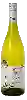
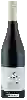
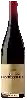
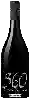
Winery Reunis de CebazanLes Fontanilles Rouge
 Red wine
This wine generally goes well with beef, veal or pasta.

Food and wine pairings with Les Fontanilles Rouge
Pairings that work perfectly with Les Fontanilles Rouge



Original food and wine pairings with Les Fontanilles Rouge
The Les Fontanilles Rouge of Winery Reunis de Cebazan matches generally quite well with dishes of beef, pasta or veal such as recipes of beef tongue in hot sauce, special' tagliatelle carbonara or chicken in sauce.
Details and technical informations about Winery Reunis de Cebazan's Les Fontanilles Rouge.
Discover the grape variety: Codega de Larinho
Aromatic, structured dry whites with a pale golden robe, an ample palate and moderate acidity, with signature aromas of white-fleshed fruits (pear, peach), white flowers (acacia), citrus and schistose mineral notes. Continental Mediterranean profile of the Douro. A traditional component of the great white Douro DOC and white Port wines, grown around Larinho for over 350 years. Autochthonous Portuguese white variety from the Douro.
Informations about the Winery Reunis de Cebazan
The Winery Reunis de Cebazan is one of of the world's great estates. It offers 46 wines for sale in the of Hérault to come and discover on site or to buy online.

The wine region of Hérault
Vast Languedoc IGP between the Cévennes and the Étang de Thau: Syrah, Grenache and Mourvèdre signatures in powerful, fruity reds with black fruit (blackberry, blackcurrant), garrigue, Mediterranean spices and a peppery touch, coated tannins. Cabernet, Merlot, Cinsault and Carignan complement. Grenache Blanc, Macabeu and Terret in accessible whites, plus aromatic Sauvignon, Chardonnay, Viognier. Fresh rosés.
The wine region of Pays d'Oc
The single-grape IGP par excellence: modern, accessible, frank and fruity wines, the popular signature of the Midi. Spicy Syrah reds (pepper, blackberry), round Merlot, structured Cabernet, generous Grenache, supple Cinsault. Crisp, tangy rosés. Opulent Chardonnay whites, lively Sauvignon, floral, apricoty Viognier.
The word of the wine: Disgorging (champagne)
This is the evacuation of the deposit formed by the yeasts during the second fermentation in the bottle, by opening the bottle. The missing volume is completed with the liqueur de dosage - a mixture of wine and cane sugar - before the final cork is placed. For some years now, some producers have been replacing this sugar with rectified concentrated musts (concentrated grape juice) which give excellent results. A too recent dosage (less than three months) harms the gustatory harmony of the champagne.