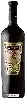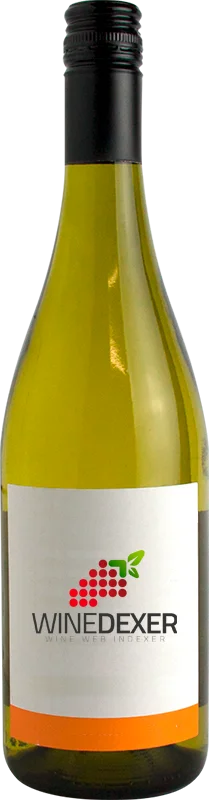
Winery ReservadoMoscatel - Sémillon
 White wine


This wine generally goes well with poultry, rich fish (salmon, tuna etc) or shellfish.
Food and wine pairings with Moscatel - Sémillon
Pairings that work perfectly with Moscatel - Sémillon



Original food and wine pairings with Moscatel - Sémillon

The Moscatel - Sémillon of Winery Reservado matches generally quite well with dishes of rich fish (salmon, tuna etc), shellfish or sweet desserts such as recipes of risotto with fresh salmon and zucchini, chicken and shrimp jambalaya or plain cupcakes.
Details and technical informations about Winery Reservado's Moscatel - Sémillon.
Discover the grape variety: Dureza
This grape variety is said to originate in the north of the Ardèche department, but we find it very similar to Duras from the Gaillac region (Tarn). D.N.A. analyses have shown that Syrah is related to Mondeuse Blanche (mother) and Dureza (father). Italian and Swiss researchers have also suggested that Dureza, which is now endangered, is a brother or sister of the Italian variety Teroldego and that Pinot Noir is a close relative. Dureza is registered in the Official Catalogue of wine grape varieties, list A1. - Synonym: duré or duret (for all the synonyms of the grape varieties, click here!).
Last vintages of this wine
The best vintages of Moscatel - Sémillon from Winery Reservado are 0, 2011
Informations about the Winery Reservado
The Winery Reservado is one of of the world's great estates. It offers 87 wines for sale in the of Central Valley to come and discover on site or to buy online.

The wine region of Central Valley
The Central Valley (El Valle Central) of Chile is one of the most important wine-producing areas in South America in terms of Volume. It is also one of the largest wine regions, stretching from the Maipo Valley (just south of Santiago) to the southern end of the Maule Valley. This is a distance of almost 250 miles (400km) and covers a number of Climate types. The Central Valley wine region is easily (and often) confused with the geological Central Valley, which runs north–south for more than 620 miles (1000km) between the Pacific Coastal Ranges and the lower Andes.
The word of the wine: Filling
Gentle transfer from one barrel to another to oxygenate the wine, eliminate some of the lees and reduce the carbon dioxide (fizz) that was released during the fermentations.