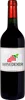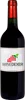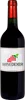
Winery RennerSyrah
 Red wine


This wine generally goes well with beef, lamb or mature and hard cheese.

Food and wine pairings with Syrah
Pairings that work perfectly with Syrah



Original food and wine pairings with Syrah

The Syrah of Winery Renner matches generally quite well with dishes of beef, lamb or spicy food such as recipes of quick beef and cheese yakitori, lamb in spicy sauce or roast doe in the oven.
Details and technical informations about Winery Renner's Syrah.
Discover the grape variety: Terret Blanc
Lively, structured dry whites with a pale golden robe, a taut palate and preserved acidity, showing signature aromas of citrus (lemon, grapefruit), white flowers (hawthorn), green apple, Mediterranean herbs and saline notes. A refreshing, sun-drenched profile. A traditional component of Picpoul de Pinet AOC blends and Languedoc whites. The white-skinned mutation of Terret, an indigenous French variety from the Mediterranean Languedoc.
Last vintages of this wine
The best vintages of Syrah from Winery Renner are 0
Informations about the Winery Renner
The Winery Renner is one of of the world's great estates. It offers 26 wines for sale in the of Burgenland to come and discover on site or to buy online.

The wine region of Burgenland
Cradle of great Austrian reds. Signature Blaufränkisch: structured, spicy reds with black fruits (blackberry, black cherry), firm tannins and lively acidity, mineral profile. More supple Zweigelt on red fruit. Lively Welschriesling, peppery Grüner Veltliner, round Chardonnay whites.
The wine region of Weinland
Vast German-speaking region in north-eastern Switzerland, the country's largest production area. Signature Pinot Noir (Blauburgunder): fine, fresh reds with notes of cherry, raspberry, undergrowth and sweet spices, silky tannins. Elegant, delicate style, often barrel-aged. Also light, floral Müller-Thurgau (Riesling-Sylvaner), lively, lemony native Räuschling, ample Pinot Gris.
The word of the wine: Reassembly
During the vinification process, a "cap" is formed at the top of the vats with the solid parts (skin, pulp, pips, etc.), which contain tannins and colouring elements. Pumping over consists of emptying the vat from the bottom and pouring the juice back to the top, in order to mix the cap and the juice and to favour the exchange and the extraction. This old technique allows a better exchange between the solid parts and the liquid.