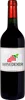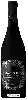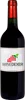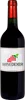
Winery RennerAlter Weingarten St. Laurent
 Red wine


This wine generally goes well with

Details and technical informations about Winery Renner's Alter Weingarten St. Laurent.
Discover the grape variety: Varousset
Simple, light and fruity reds with a pale, lightly coloured ruby robe, smooth tannins, an airy palate with moderate acidity, and understated aromas of red fruits. Rustic, discreet profile. Nearly extinct, preserved in INRAE varietal collections for its heritage value; testifies to the pre-phylloxera ampelographic diversity of the South-West. Rare French black variety, formerly grown in the South-West.
Last vintages of this wine

The best vintages of Alter Weingarten St. Laurent from Winery Renner are 2011, 0, 2009
Informations about the Winery Renner
The Winery Renner is one of of the world's great estates. It offers 26 wines for sale in the of Burgenland to come and discover on site or to buy online.

The wine region of Burgenland
Cradle of great Austrian reds. Signature Blaufränkisch: structured, spicy reds with black fruits (blackberry, black cherry), firm tannins and lively acidity, mineral profile. More supple Zweigelt on red fruit. Lively Welschriesling, peppery Grüner Veltliner, round Chardonnay whites.
The wine region of Weinland
Vast German-speaking region in north-eastern Switzerland, the country's largest production area. Signature Pinot Noir (Blauburgunder): fine, fresh reds with notes of cherry, raspberry, undergrowth and sweet spices, silky tannins. Elegant, delicate style, often barrel-aged. Also light, floral Müller-Thurgau (Riesling-Sylvaner), lively, lemony native Räuschling, ample Pinot Gris.
The word of the wine: Power
Character of a wine that is full-bodied, generous and has a rich bouquet.