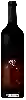
Reif Estate WineryCabernet - Gamay Baco
 Red wine



This wine is a blend of 3 varietals which are the Baco noir, the Cabernet-Sauvignon and the Gamay noir.
This wine generally goes well with poultry, beef or lamb.

Wine flavors and olphactive analysis

Food and wine pairings with Cabernet - Gamay Baco
Pairings that work perfectly with Cabernet - Gamay Baco



Original food and wine pairings with Cabernet - Gamay Baco

The Cabernet - Gamay Baco of Reif Estate Winery matches generally quite well with dishes of beef, lamb or spicy food such as recipes of millet with gruyere cheese, lamb tagine with apricots or pork chops with curry and honey.
Details and technical informations about Reif Estate Winery's Cabernet - Gamay Baco.
Discover the grape variety: Baco noir
Colourful, lively reds with a deep purple robe, supple tannins and high acidity. Intense aromas of black cherry, blackberry, plum, coffee and characteristic smoky notes. Dense palate, tense finish. Nearly banned in France, it is the signature of northern Canadian reds (Ontario, Nova Scotia) and the north-eastern US (New York). French hybrid created in 1902 by François Baco in the Landes (Folle Blanche × Vitis riparia Grand Glabre).
Last vintages of this wine
The best vintages of Cabernet - Gamay Baco from Reif Estate Winery are 2018, 0
Informations about the Reif Estate Winery
The Reif Estate Winery is one of of the world's great estates. It offers 55 wines for sale in the of Ontario to come and discover on site or to buy online.

The wine region of Ontario
World reference for Canadian Icewine: exceptional sweet wines from grapes frozen on the vine, golden colour, signature notes of candied apricot, mango, honey, citrus and exotic fruits, opulent sugar balanced by taut acidity (Vidal for fruit, Riesling for finesse). Cool-climate still wines: mineral, lively Riesling, precise Chardonnay, fine Pinot Noir (cherry, undergrowth), peppery Cabernet Franc. ~5,500 ha on the Niagara Peninsula between Lake Ontario and the escarpment, VQA.
The word of the wine: Aging
Period during which a wine is kept in a cellar where it goes through different phases of evolution of its aromatic range and a maturation of its constituents (evolution of the colour, refining of the tannins, harmonization of the different flavours, etc.). The wine evolves better and less quickly in large containers, whereas it deteriorates prematurely in half-bottles.