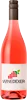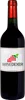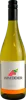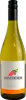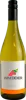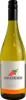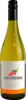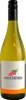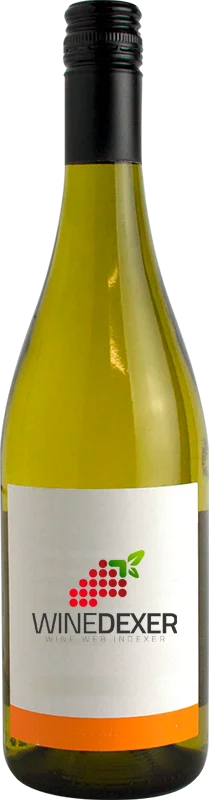
Winery Quinta do CanhotoEsquerdino Antão Vaz
 White wine
In the mouth this white wine is a powerful.
This wine generally goes well with pork, lean fish or shellfish.
Taste structure of the Esquerdino Antão Vaz from the Winery Quinta do Canhoto
Light | Bold | |
Dry | Sweet | |
Soft | Acidic |
In the mouth the Esquerdino Antão Vaz of Winery Quinta do Canhoto in the region of Algarve is a powerful.
Food and wine pairings with Esquerdino Antão Vaz
Pairings that work perfectly with Esquerdino Antão Vaz



Original food and wine pairings with Esquerdino Antão Vaz

The Esquerdino Antão Vaz of Winery Quinta do Canhoto matches generally quite well with dishes of pasta, pork or shellfish such as recipes of express beef cannelloni, new york hot dog or rougaille tomatoes (madagascar).
Details and technical informations about Winery Quinta do Canhoto's Esquerdino Antão Vaz.
Discover the grape variety: Gaïdouria
A very old and rare Greek grape variety that is still cultivated to some extent in the Cyclades, particularly in the Santorini archipelago. D.N.A. analyses have shown that it is related to Assyrtiko. On the island of Corfu, a black grape variety called Gaïdouricha is cultivated, but it is not related to Assyrtiko. Gaïdouria can be found in Turkey, but it is unknown in France and in most other wine-producing countries.
Informations about the Winery Quinta do Canhoto
The Winery Quinta do Canhoto is one of of the world's greatest estates. It offers 4 wines for sale in the of Algarve to come and discover on site or to buy online.

The wine region of Algarve
Algarve ('the Algarve' to most English speakers) is the southernmost wine region of Portugal, and the far southwestern corner of the Iberian Peninsula. It is more widely known for its beaches and thriving tourist industry than its wines. Although a small quantity of fresh-styled white wines are made here, the wines of the Algarve are predominantly red, and made from classic Portuguese varieties like Castelão and Touriga Nacional, as well as more international varieties like Syrah. The region's wines are produced largely by a by a small number of upscale co-operatives, although the fashion for independent producers is catching on quickly.
The word of the wine: Disgorging (champagne)
This is the evacuation of the deposit formed by the yeasts during the second fermentation in the bottle, by opening the bottle. The missing volume is completed with the liqueur de dosage - a mixture of wine and cane sugar - before the final cork is placed. For some years now, some producers have been replacing this sugar with rectified concentrated musts (concentrated grape juice) which give excellent results. A too recent dosage (less than three months) harms the gustatory harmony of the champagne.