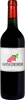
Winery PuilRed
 Red wine



In the mouth this red wine is a powerful with a nice balance between acidity and tannins.
This wine generally goes well with poultry, beef or veal.
Taste structure of the Red from the Winery Puil
Light | Bold | |
Smooth | Tannic | |
Dry | Sweet | |
Soft | Acidic |
In the mouth the Red of Winery Puil in the region of Castille-et-Léon is a powerful with a nice balance between acidity and tannins.
Food and wine pairings with Red
Pairings that work perfectly with Red



Original food and wine pairings with Red

The Red of Winery Puil matches generally quite well with dishes of beef, pasta or veal such as recipes of roast pork with pineapple, express beef cannelloni or chicken bonne femme.
Details and technical informations about Winery Puil's Red.
Discover the grape variety: Select
Select blanc is a grape variety that originated in France (Charente). It produces a variety of grape specially used for wine making. It is rare to find this grape to eat on our tables. It should be noted that this grape variety can also be used for the elaboration of eaux de vie. Select blanc can be found in several vineyards: South-West, Cognac, Bordeaux, Provence & Corsica, Rhone valley, Loire valley, Savoie & Bugey, Beaujolais.
Last vintages of this wine
The best vintages of Red from Winery Puil are 0, 2016
Informations about the Winery Puil
The Winery Puil is one of of the world's greatest estates. It offers 5 wines for sale in the of Castille-et-Léon to come and discover on site or to buy online.

The wine region of Castille-et-Léon
Located in the northern half of the Central Iberian plateau, Castilla y León is the largest of Spain's 17 administrative regions, covering about one-fifth of the country's total area. It extends about 350 kilometres (220 miles) from central Spain to the northern coast. Just as wide, it connects the Rioja wine region to the Portuguese border. Red wines reign supreme in Castilla y León, and the Tempranillo grape is undoubtedly the king.
The word of the wine: Disgorging (champagne)
This is the evacuation of the deposit formed by the yeasts during the second fermentation in the bottle, by opening the bottle. The missing volume is completed with the liqueur de dosage - a mixture of wine and cane sugar - before the final cork is placed. For some years now, some producers have been replacing this sugar with rectified concentrated musts (concentrated grape juice) which give excellent results. A too recent dosage (less than three months) harms the gustatory harmony of the champagne.