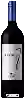
Winery Puerta OesteMalbec Roble
 Red wine



In the mouth this red wine is a powerful.
This wine generally goes well with poultry, beef or lamb.
Taste structure of the Malbec Roble from the Winery Puerta Oeste
Light | Bold | |
Smooth | Tannic | |
Dry | Sweet | |
Soft | Acidic |
In the mouth the Malbec Roble of Winery Puerta Oeste in the region of Patagonia is a powerful.
Food and wine pairings with Malbec Roble
Pairings that work perfectly with Malbec Roble



Original food and wine pairings with Malbec Roble
The Malbec Roble of Winery Puerta Oeste matches generally quite well with dishes of beef, lamb or poultry such as recipes of millet with gruyere cheese, pastasotto pepper merguez (risotto style pasta) or special' tagliatelle carbonara.
Details and technical informations about Winery Puerta Oeste's Malbec Roble.
Discover the grape variety: Malbec
Malbec, a high-yielding red grape variety, produces tannic and colourful wines. It is produced in different wine-growing regions and changes its name according to the grape variety. Called Auxerrois in Cahors, Malbec in Bordeaux, it is also known as Côt. 6,000 hectares of the Malbec grape are grown in France (in decline since the 1950s). Malbec is also very successful in Argentina. The country has become the world's leading producer of Malbec and offers wines with great potential.
Last vintages of this wine
The best vintages of Malbec Roble from Winery Puerta Oeste are 0
Informations about the Winery Puerta Oeste
The Winery Puerta Oeste is one of of the world's greatest estates. It offers 4 wines for sale in the of Patagonia to come and discover on site or to buy online.

The wine region of Patagonia
Patagonia is South America's southernmost wine-producing region. Despite being one of the world's least-obvious places for quality viticulture, this desert region – with its cool, DryClimate – has proved itself well suited to producing Elegant red wines from Pinot Noir and Malbec. The geographical region covers a vast area – around twice the Size of California – across southern Argentina and Chile. Patagonia is more closely associated with dinosaurs and desert than with fine wine, but it has a viticultural zone that stretches 300 kilometers (200 miles) along the Neuquen and Rio Negro rivers, from Anelo in the west to Choele Choel in the east.
The word of the wine: Disorder
Said of a wine that is not clear due to the presence of colloidal suspensions that prevent the passage of light.