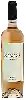
Winery FitapretaRosé de Fitapreta
 Pink wine


This wine generally goes well with
The Rosé de Fitapreta of the Winery Fitapreta is in the top 70 of wines of Alentejano.



Details and technical informations about Winery Fitapreta's Rosé de Fitapreta.
Discover the grape variety: Gramon
Simple, light, fruity reds with a pale ruby colour, silky tannins and an airy palate with moderate acidity. Understated aromas of southern red fruits. Discrete rustic profile. Nearly gone from commercial cultivation, preserved in INRAE varietal collections; it reflects the pre-phylloxera ampelographic diversity of the southern vineyard. A rare French black grape, once grown in the South.
Last vintages of this wine
The best vintages of Rosé de Fitapreta from Winery Fitapreta are 0
Informations about the Winery Fitapreta
The Winery Fitapreta is one of of the world's great estates. It offers 56 wines for sale in the of Alentejano to come and discover on site or to buy online.

The wine region of Alentejano
Star of southern Portugal's great reds, sunny and opulent wines. Typical blends: round fruity Aragonez (Tempranillo), spicy Trincadeira, Touriga Nacional (black fruits, violet), deep teinturier Alicante Bouschet, juicy Castelão. Fleshy reds with notes of plum, black cherry, cocoa and sweet spices, melted tannins. Ample fresh Antão Vaz and Arinto whites.
The word of the wine: Balsamic
Aromas reminiscent of balsam, resin, incense, but also vanilla or liquorice wood.