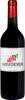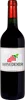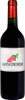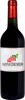
Winery Dom TeodósioCapote Tinto
 Red wine



In the mouth this red wine is a powerful.
This wine generally goes well with poultry, beef or veal.
Taste structure of the Capote Tinto from the Winery Dom Teodósio
Light | Bold | |
Smooth | Tannic | |
Dry | Sweet | |
Soft | Acidic |
In the mouth the Capote Tinto of Winery Dom Teodósio in the region of Alentejano is a powerful.
Food and wine pairings with Capote Tinto
Pairings that work perfectly with Capote Tinto



Original food and wine pairings with Capote Tinto

The Capote Tinto of Winery Dom Teodósio matches generally quite well with dishes of beef, pasta or veal such as recipes of fleischnacka leaf, spaghetti cacio e pepe or bocconcini (veal rolls with ham and comté).
Details and technical informations about Winery Dom Teodósio's Capote Tinto.
Discover the grape variety: Amigne
A very old vine cultivated in the Swiss Valais, more precisely in Vétroz. The latest genetic analyses, to be confirmed however, show that it would be related to the petit meslier and in fact to the gouais and the savagnin. It should be noted that it is only known in its country and region of origin.
Last vintages of this wine
The best vintages of Capote Tinto from Winery Dom Teodósio are 0
Informations about the Winery Dom Teodósio
The Winery Dom Teodósio is one of of the world's great estates. It offers 42 wines for sale in the of Alentejano to come and discover on site or to buy online.

The wine region of Alentejano
Tejo">Alentejo is a well-known, highly respected wine region in eastern Portugal. This hot, Dry area covers approximately a third of the country and is best known for its red wine, the best of which are sold under the and Alentejo DOC (Denominacao de Origem Controlada) title. Wine from Alentejo is typically made from Aragonez (Tempranillo), Castelao, Trincadeira or a Rich, ripe, jammy blend of the three. Antao Vaz is the white variety of choice here, producing a good level of Acidity and tropical fruit flavors.
The word of the wine: Reserve wine (champagne)
Older wines, kept in vats or aged in wood in some houses, or kept in magnums at Bollinger. A small percentage of these wines are used in the blending of non-vintage wines in order to bring greater aromatic complexity.