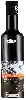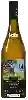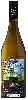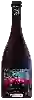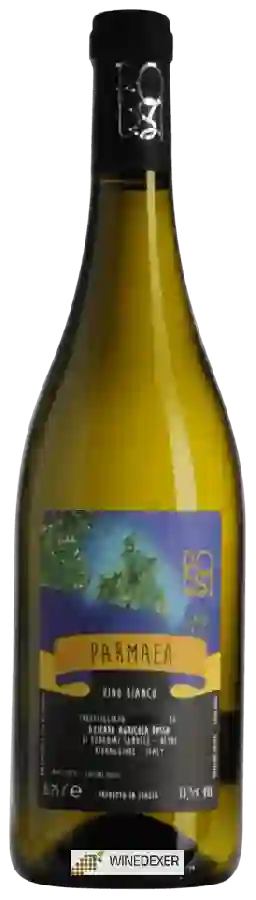
Winery PossaParmaea Bianco
 White wine


This wine generally goes well with pork, beef or lamb.
Food and wine pairings with Parmaea Bianco
Pairings that work perfectly with Parmaea Bianco



Original food and wine pairings with Parmaea Bianco

The Parmaea Bianco of Winery Possa matches generally quite well with dishes of beef, lamb or pork such as recipes of fondue bourguignonne and accompanying sauces, lamb shoulder cooked for 5 hours or quiche lorraine.
Details and technical informations about Winery Possa's Parmaea Bianco.
Discover the grape variety: Verdesse
Verdesse is a white grape variety, grown on an area of about 5 ha. It is found particularly in the Grésivaudan and Drac valleys. It is also called verdêche, étraire blanche de Grenoble or verdasse. The leaves are lobed and dark green in colour. Long, sturdy stalks carry the bunches. A juicy and sweet flesh is found under the white skin, turning amber red, of the mature berries. The berries are medium-sized and ellipsoid in shape. To be productive and vigorous, the variety is pruned rather long. Verdesse is not very resistant to mildew and powdery mildew, but it is very resistant to grey rot. A particularly alcoholic wine is produced from this variety. It has a pleasant flavour and a vegetal and floral scent. This wine does not keep long, and is best consumed during the first few years.
Last vintages of this wine
The best vintages of Parmaea Bianco from Winery Possa are 2019, 0
Informations about the Winery Possa
The Winery Possa is one of of the world's greatest estates. It offers 12 wines for sale in the of Vino da Tavola to come and discover on site or to buy online.

The wine region of Vino da Tavola
Vino da Tavola was the most basic classification of Italian wines. It is now renamed simply "Vino" and appears on labels as Vino d'Italia. The original name literally means "table wine" as opposed to premium wines from specific geographical locations (see EU wine label). In May 2011, the first legal steps were taken to abolish the Vino da Tavola category, in favor of a New classification of wines called simply Vino.
The word of the wine: Lamb's lettuce
Characteristic of fleshy and consistent wines giving the impression of being chewed.