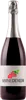
Winery Podere RiostoPignoletto Spumante Brut
 Sparkling wine


This wine generally goes well with




Details and technical informations about Winery Podere Riosto's Pignoletto Spumante Brut.
Discover the grape variety: Seinoir
Simple, light, fruity reds with a pale ruby colour, silky tannins and an airy palate with moderate acidity. Understated aromas of red fruits. Discrete rustic profile. Nearly extinct, preserved in INRAE varietal collections for its heritage value; it reflects the pre-phylloxera ampelographic diversity of the French vineyard and is among the heritage varieties under study. A rare French black grape, once grown in the centre-east.
Last vintages of this wine
The best vintages of Pignoletto Spumante Brut from Winery Podere Riosto are 0
Informations about the Winery Podere Riosto
The Winery Podere Riosto is one of of the world's great estates. It offers 19 wines for sale in the of Colli Bolognesi to come and discover on site or to buy online.

The wine region of Colli Bolognesi
Emilia-Romagna DOC on the hills south and west of Bologna. Signature native Pignoletto white: lively and floral with hallmark notes of green apple, citrus, white flowers, fresh herbs and an almond touch, taut and refreshing palate — often frizzante sparkling, the Bolognese aperitif. Also zesty Sauvignon, ample Chardonnay. Reds: juicy Barbera (cherry, plum), firm Cabernet, supple Merlot, accessible Sangiovese.
The wine region of Emilia-Romagna
Kingdom of Lambrusco: fresh, fruity sparkling reds (blackberry, cherry, violet), from gourmet dry to convivial off-dry, perfect with local charcuterie. World's best-selling sparkling wine on the Emilia side (Sorbara, Grasparossa, Salamino). East, Romagna: supple fruity Sangiovese, Albana (Italy's 1st white DOCG, 1987) ample and almondy. Also red Gutturnio and white Pignoletto.
The word of the wine: Liquid
Sweet wine containing more than 50 grams of residual sugar per liter. Sweet wines are made from grapes often affected by botrytis cinerea and concentrated either by passerillage (drying of the grapes on the vine stock), or after the harvest (straw wines), or by the cold (ice wines).