Winery Plan de l'OmRoucan
 Red wine
This wine generally goes well with beef, veal or pasta.

Food and wine pairings with Roucan
Pairings that work perfectly with Roucan



Original food and wine pairings with Roucan
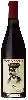
The Roucan of Winery Plan de l'Om matches generally quite well with dishes of beef, pasta or veal such as recipes of piglet shoulder with melting baked apples, pasta salmon - fresh cream or flank steak with shallots in red wine sauce.
Details and technical informations about Winery Plan de l'Om's Roucan.
Discover the grape variety: Vespolina
Structured, aromatic reds with a deep ruby colour, firm tannins and a dense palate showing cherry, raspberry, black pepper, spices and balsamic alpine notes. Fine ageing potential in the Piedmontese style. A traditional component of blends with Nebbiolo in Ghemme DOCG and Gattinara DOCG, it defines the great reds of the Novarese.
Informations about the Winery Plan de l'Om
The Winery Plan de l'Om is one of of the world's greatest estates. It offers 4 wines for sale in the of Languedoc to come and discover on site or to buy online.

The wine region of Languedoc
Sunny, generous southern reds: spicy, peppery Syrah, round, candied Grenache (ripe fruit, garrigue), deep Mourvèdre, structured Carignan, supple Cinsault. From robust Corbières and Minervois to fresher Terrasses du Larzac, via Faugères on schist or taut Pic Saint-Loup. Lively, iodised Picpoul de Pinet whites (oysters), ample Roussanne and Marsanne. 14 sub-appellations, ~10,000 ha in regional AOC.
The wine region of Languedoc-Roussillon
Largest single French vineyard, dominated by sunny, generous reds. Spicy Syrah, candied Grenache (ripe fruit, garrigue), structured Carignan, deep Mourvèdre, supple Cinsault. Stars: structured Corbières, Minervois, Faugères, Saint-Chinian; round Côtes-du-Roussillon. Legendary vins doux naturels: Banyuls and Maury (fortified Grenache) with notes of cocoa, fig, prune.
The word of the wine: Phylloxera
Aphid that came from America and ravaged European vineyards at the end of the 19th century. It lives on the roots of the vine, from which it pumps the sap. The only vines capable of resisting it had to be imported from the United States, and then grafted onto their root system the wood of traditional French grape varieties. Today, grafted vines are always planted.