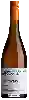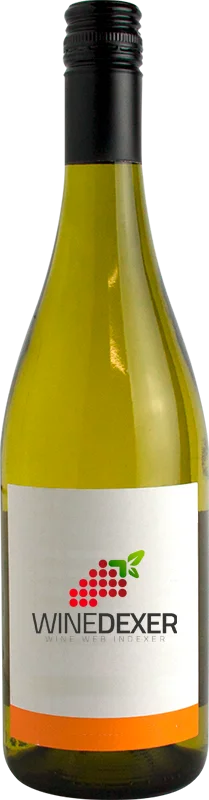
Winery Pivnica TibavaChardonnay
 White wine



This wine generally goes well with pork, vegetarian or poultry.

Food and wine pairings with Chardonnay
Pairings that work perfectly with Chardonnay



Original food and wine pairings with Chardonnay

The Chardonnay of Winery Pivnica Tibava matches generally quite well with dishes of pork, rich fish (salmon, tuna etc) or vegetarian such as recipes of salty crumble with courgettes, goat cheese and bacon, baked cod portuguese style or leek, goat cheese and bacon quiche.
Details and technical informations about Winery Pivnica Tibava's Chardonnay.
Discover the grape variety: Chardonnay
Whites with many faces: mineral and taut at Chablis (lemon, green apple, flint), opulent and buttery at Meursault and Puligny-Montrachet (hazelnut, brioche, yellow fruits), tense and chalky in Champagne (Blanc de Blancs). Also vinified sparkling and widely exported (Sonoma, Margaret River, Casablanca). A Burgundian variety, a cross of Pinot Noir × Gouais Blanc, half-sibling of Aligoté.
Last vintages of this wine
The best vintages of Chardonnay from Winery Pivnica Tibava are 0
Informations about the Winery Pivnica Tibava
The Winery Pivnica Tibava is one of of the world's great estates. It offers 44 wines for sale in the of Slovakia to come and discover on site or to buy online.

The wine region of Slovakia
Central European vineyard dominated by whites (75%). Signature Veltlínske Zelené (Grüner Veltliner): lively, peppery whites with notes of green apple, citrus, fresh herbs and a touch of white pepper. Fresh, lemony Welschriesling, supple Müller-Thurgau, round Pinot Blanc, mineral Riesling. Slovak Tokaj (907 ha shared with Hungary): sweet botrytised Furmint (honey, dried apricot, quince).
The word of the wine: White winemaking
White wines are obtained by fermentation of the juice after pressing. A pre-fermentation maceration is sometimes practiced to extract the aromatic substances from the skins. White wines are normally made from white grapes, but can also be made from red grapes (blanc de noirs). The grapes are then pressed as soon as they arrive at the vat house without maceration in order to prevent the colouring matter contained in the skins from "staining" the wine.