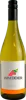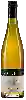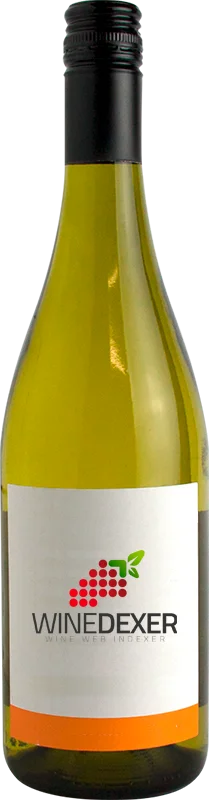
Winery PiriweRotgipfler Selektion
 White wine



This wine generally goes well with

Details and technical informations about Winery Piriwe's Rotgipfler Selektion.
Discover the grape variety: Ugni blanc
Dry, neutral and nervy whites with a pale robe, slender mouthfeel and sharp acidity, with discreet aromas of citrus, green apple, white flowers and herbaceous notes. The ideal profile for distillation: absolute pillar of Cognac AOC (over 95% of the Charentes vineyard) and Armagnac AOC. Also produced as still whites in Provence, Languedoc and Corsica. French synonym for Italian Trebbiano Toscano, one of the most planted varieties in the world.
Last vintages of this wine
The best vintages of Rotgipfler Selektion from Winery Piriwe are 0
Informations about the Winery Piriwe
The Winery Piriwe is one of of the world's great estates. It offers 11 wines for sale in the of Thermenregion to come and discover on site or to buy online.

The wine region of Thermenregion
Austrian gem south of Vienna along the Wienerwald: signature native Zierfandler-Rotgipfler duo (found nowhere else) as king whites — concentrated, aromatic and full-bodied with notes of citrus, white-fleshed fruit, flowers and a spicy touch, lively balance of acidity and richness. Silky signature Sankt Laurent in red (cherry, raspberry, undergrowth, fine tannins) and Pinot Noir in the south on the Steinfeld gravels. DAC (2023), ~2,000 h sun/year, limestone-marl north, gravel south.
The wine region of Weinland
Vast German-speaking region in north-eastern Switzerland, the country's largest production area. Signature Pinot Noir (Blauburgunder): fine, fresh reds with notes of cherry, raspberry, undergrowth and sweet spices, silky tannins. Elegant, delicate style, often barrel-aged. Also light, floral Müller-Thurgau (Riesling-Sylvaner), lively, lemony native Räuschling, ample Pinot Gris.
The word of the wine: Performance
Quantity of grapes harvested per hectare. In AOC, the average yield is limited on the proposal of the appellation syndicate, validated by the Inao. The use of high-performance plant material (especially clones) and better control of vine diseases have increased yields. This is not without consequences on the quality of the wines (dilution) and on the state of the market (too much wine). We must not over-simplify: low yields are not synonymous with quality, and it is often in years with generous harvests that we find the greatest vintages (1982 and 1986 in Bordeaux, 1996 in Champagne, 1990 and 2005 in Burgundy...).