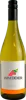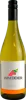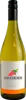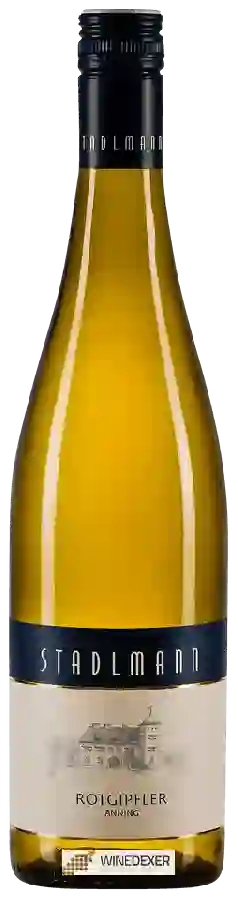
Winery StadlmannAnninger Rotgipfler
 White wine



This wine generally goes well with
The Anninger Rotgipfler of the Winery Stadlmann is in the top 70 of wines of Thermenregion.
Wine flavors and olphactive analysis


On the nose the Anninger Rotgipfler of Winery Stadlmann in the region of Weinland often reveals types of flavors of earth, tree fruit or citrus fruit.
Details and technical informations about Winery Stadlmann's Anninger Rotgipfler.
Discover the grape variety: Nielluccio
The black Nielluccio is a grape variety originating from Italy. It produces a variety of grape specially used for the elaboration of wine. It is rare to find this grape to eat on our tables. The black Nielluccio can be found in several vineyards: Provence & Corsica, South-West, Cognac, Bordeaux, Languedoc & Roussillon, Rhone Valley, Loire Valley, Savoie & Bugey, Beaujolais.
Last vintages of this wine
The best vintages of Anninger Rotgipfler from Winery Stadlmann are 2015, 2018, 2017, 2016 and 0.
Informations about the Winery Stadlmann
The Winery Stadlmann is one of of the world's great estates. It offers 16 wines for sale in the of Thermenregion to come and discover on site or to buy online.

The wine region of Thermenregion
The wine region of Thermenregion is located in the region of Niederösterreich of Weinland of Austria. We currently count 74 estates and châteaux in the of Thermenregion, producing 505 different wines in conventional, organic and biodynamic agriculture. The wines of Thermenregion go well with generally quite well with dishes .
The wine region of Weinland
Weinviertel DAC – whose name translates as "wine quarter" – is an appellation in Niederösterreich (Lower Austria). It is by far the largest Districtus Austriae Controllatus wine region in Austria. It was also the first Austrian wine region to be given that title, in 2002, with a DAC Reserve designation added in 2009. The designation applies only to white wines from the Grüner Veltliner Grape variety.
The word of the wine: Table wine
A category of wine with no geographical indication on the label, often resulting from blends between wines from different vineyards in France or the EU. These wines are now called "wines without geographical indication" (and "French wines" if they come from the national territory).