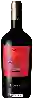
Winery Piovene Porto GodiVigneto Lola Rosso
 Red wine


In the mouth this red wine is a powerful.
This wine generally goes well with beef, game (deer, venison) or lamb.

Taste structure of the Vigneto Lola Rosso from the Winery Piovene Porto Godi
Light | Bold | |
Smooth | Tannic | |
Dry | Sweet | |
Soft | Acidic |
In the mouth the Vigneto Lola Rosso of Winery Piovene Porto Godi in the region of Veneto is a powerful.
Food and wine pairings with Vigneto Lola Rosso
Pairings that work perfectly with Vigneto Lola Rosso



Original food and wine pairings with Vigneto Lola Rosso

The Vigneto Lola Rosso of Winery Piovene Porto Godi matches generally quite well with dishes of beef, pasta or lamb such as recipes of flemish beer stew, shrimp marinade or lamb tagine with prunes.
Details and technical informations about Winery Piovene Porto Godi's Vigneto Lola Rosso.
Discover the grape variety: Altesse
Structured, aromatic whites with an ample palate and firm acidity, featuring aromas of white flowers (acacia), white peach, ripe pear, honey, candied citrus, toasted almond and alpine mineral notes. Good length and ageing potential. Absolute star of Roussette de Savoie AOC (especially crus Frangy, Marestel, Monthoux) and Roussette du Bugey AOC. Autochthonous Savoyard variety; legend has it that it was brought from Cyprus by Crusaders in the 14th century.
Last vintages of this wine
The best vintages of Vigneto Lola Rosso from Winery Piovene Porto Godi are 0
Informations about the Winery Piovene Porto Godi
The Winery Piovene Porto Godi is one of of the world's great estates. It offers 15 wines for sale in the of Veneto to come and discover on site or to buy online.

The wine region of Veneto
World star of Prosecco: fresh, light Glera sparklers with notes of pear, green apple and white flowers, fruity, convivial bubbles. Veronese reds from Corvina and Rondinella: light, crisp Bardolino, fruity Valpolicella, opulent, concentrated Amarone DOCG (black cherry, chocolate, raisin) from dried grapes. Mineral, almondy Soave (Garganega) whites, fresh Pinot Grigio. 97,500 ha, Italy's largest production.
The word of the wine: Thick
Said of a heavy, pasty wine lacking in finesse.