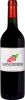
Winery PigarSyrah
 Red wine


In the mouth this red wine is a powerful with a nice balance between acidity and tannins.
This wine generally goes well with poultry, beef or game (deer, venison).
Taste structure of the Syrah from the Winery Pigar
Light | Bold | |
Smooth | Tannic | |
Dry | Sweet | |
Soft | Acidic |
In the mouth the Syrah of Winery Pigar in the region of Valence is a powerful with a nice balance between acidity and tannins.
Food and wine pairings with Syrah
Pairings that work perfectly with Syrah



Original food and wine pairings with Syrah

The Syrah of Winery Pigar matches generally quite well with dishes of beef, lamb or game (deer, venison) such as recipes of beef lark, lamb tagine with dried fruits and herbs or roast pheasant.
Details and technical informations about Winery Pigar's Syrah.
Discover the grape variety: Soreli
Interspecific cross between sauvignonasse and kozma 20-3 obtained in 2002 at the University and Institute of Applied Genetics of Udine (Italy), which is also the case for fleurtai. Two genes for resistance to mildew could be identified, no gene for powdery mildew.
Last vintages of this wine
The best vintages of Syrah from Winery Pigar are 2015, 0
Informations about the Winery Pigar
The Winery Pigar is one of of the world's greatest estates. It offers 12 wines for sale in the of Valence to come and discover on site or to buy online.

The wine region of Valence
Valencia is a province in the centre of Spain's sunny east coast, perhaps better known for its oranges (and paella) than its wine. The administrative Center of Valencia is the city of the same name, the third largest in Spain and the largest port on the Mediterranean. Archaeological evidence suggests that wine making in Valencia dates back more than a thousand years, but the region has never been particularly prominent on the world wine map. In modern times, Valencia's wine production has focused on quantity rather than quality, although this is gradually changing.
The word of the wine: Rosé de saignée
A method of making rosé wine that consists of partially draining a vat of red wine after a few hours of maceration. The longer the maceration, the stronger the colour. This practice gives rich and expressive rosés.