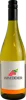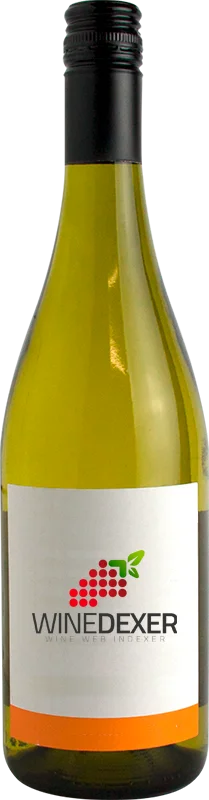
Winery Pierre ChanauMuscat de Lunel Doux Naturel
 Natural sweet wine
This wine generally goes well with spicy food and sweet desserts.
Food and wine pairings with Muscat de Lunel Doux Naturel
Pairings that work perfectly with Muscat de Lunel Doux Naturel


Original food and wine pairings with Muscat de Lunel Doux Naturel
The Muscat de Lunel Doux Naturel of Winery Pierre Chanau matches generally quite well with dishes of mature and hard cheese, blue cheese or aperitif such as recipes of veal cutlets with savoy tomme, cheese ravioli on a bed of spinach or salted muffins with bacon and grated cheese.
Details and technical informations about Winery Pierre Chanau's Muscat de Lunel Doux Naturel.
Discover the grape variety: Aglianico
A very old grape variety grown in Italy, some believe it to be of Greek origin. In France, it is practically unknown. It can be found in Australia, the United States (California), Argentina, etc. It should not be confused with Aglianicone, another grape variety grown in Italy, which is, however, very similar to Aglianico.
Informations about the Winery Pierre Chanau
The Winery Pierre Chanau is one of wineries to follow in Muscat de Lunel.. It offers 165 wines for sale in the of Muscat de Lunel to come and discover on site or to buy online.

The wine region of Muscat de Lunel
Muscat de Lunel is an appellation for the naturally Sweet wines of the town of Lunel, on the eastern edge of the Languedoc region in Southern France. As the name suggests, these wines are made from one of the many varieties of Muscat Grapes - in this case, Muscat Blanc à Petits Grains. The grapes must have a sugar content of 252 grams per litre. Wine Alcohol is added to the grape must in a ratio of between 10:1 and 20:1.
The wine region of Languedoc-Roussillon
Languedoc (formerly Coteaux du Languedoc) is a key appellation used in the Languedoc-Roussillon wine region of southern France. It covers Dry table wines of all three colors (red, white and rosé) from the entire region, but leaves Sweet and Sparkling wines to other more specialized appellations. About 75% of all Languedoc wines are red, with the remaining 25% split roughly down the middle between whites and rosés. The appellation covers most of the Languedoc region and almost a third of all the vineyards in France.
The word of the wine: Secondary aromas
Aromas resulting from the fermentation and maturation of the wine before bottling. The aging in barrels modifies considerably the texture and the flavours of the wine.