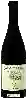
Winery PidelPays d'Oc
 Red wine


In the mouth this red wine is a powerful with a nice balance between acidity and tannins.
This wine generally goes well with beef, veal or pasta.
Taste structure of the Pays d'Oc from the Winery Pidel
Light | Bold | |
Smooth | Tannic | |
Dry | Sweet | |
Soft | Acidic |
In the mouth the Pays d'Oc of Winery Pidel in the region of Languedoc-Roussillon is a powerful with a nice balance between acidity and tannins.
Food and wine pairings with Pays d'Oc
Pairings that work perfectly with Pays d'Oc



Original food and wine pairings with Pays d'Oc
The Pays d'Oc of Winery Pidel matches generally quite well with dishes of beef, pasta or veal such as recipes of baked lasagna, capellini with prosciutto or veal head with vinaigrette.
Details and technical informations about Winery Pidel's Pays d'Oc.
Discover the grape variety: Durize
A very old variety, certainly originating from the Aosta Valley (Italy). According to published genetic analyses, it is directly related to the roussin and is the granddaughter of the cornalin from Valais. Nowadays, it is mainly cultivated in Switzerland and is practically endangered.
Informations about the Winery Pidel
The Winery Pidel is one of of the world's greatest estates. It offers 6 wines for sale in the of Languedoc-Roussillon to come and discover on site or to buy online.

The wine region of Languedoc-Roussillon
Languedoc (formerly Coteaux du Languedoc) is a key appellation used in the Languedoc-Roussillon wine region of southern France. It covers Dry table wines of all three colors (red, white and rosé) from the entire region, but leaves Sweet and Sparkling wines to other more specialized appellations. About 75% of all Languedoc wines are red, with the remaining 25% split roughly down the middle between whites and rosés. The appellation covers most of the Languedoc region and almost a third of all the vineyards in France.
The word of the wine: Reserve wine (champagne)
Older wines, kept in vats or aged in wood in some houses, or kept in magnums at Bollinger. A small percentage of these wines are used in the blending of non-vintage wines in order to bring greater aromatic complexity.