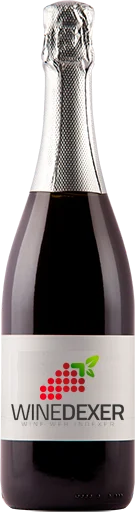
Winery Philippe le NobleBrut
 Sparkling wine



This wine is a blend of 2 varietals which are the Chardonnay and the Colombard.
This wine generally goes well with pork, vegetarian or poultry.
The Brut of the Winery Philippe le Noble is in the top 60 of wines of Wallonie.

Food and wine pairings with Brut
Pairings that work perfectly with Brut



Original food and wine pairings with Brut



The Brut of Winery Philippe le Noble matches generally quite well with dishes of pork, rich fish (salmon, tuna etc) or vegetarian such as recipes of pork gyros, croque-monsieur with tuna or quiche with bacon and gruyère cheese.
Details and technical informations about Winery Philippe le Noble's Brut.
Discover the grape variety: Chardonnay
Whites with many faces: mineral and taut at Chablis (lemon, green apple, flint), opulent and buttery at Meursault and Puligny-Montrachet (hazelnut, brioche, yellow fruits), tense and chalky in Champagne (Blanc de Blancs). Also vinified sparkling and widely exported (Sonoma, Margaret River, Casablanca). A Burgundian variety, a cross of Pinot Noir × Gouais Blanc, half-sibling of Aligoté.
Informations about the Winery Philippe le Noble
The Winery Philippe le Noble is one of of the world's greatest estates. It offers 3 wines for sale in the of Wallonie to come and discover on site or to buy online.

The wine region of Wallonie
Southern Belgian vineyard (~36% of national production), clay-limestone and schist soils, cool temperate climate. Signature Chardonnay as white king (32% of Belgian vineyard): taut and precise with notes of citrus, green apple, white flowers and chalky touch — base of fresh sparklers and chiseled whites on the rise. Aerial Pinot Noir (cherry, raspberry, undergrowth), round Pinot Meunier. Crémant de Wallonie as flagship specialty.
The word of the wine: Phylloxera
Aphid that came from America and ravaged European vineyards at the end of the 19th century. It lives on the roots of the vine, from which it pumps the sap. The only vines capable of resisting it had to be imported from the United States, and then grafted onto their root system the wood of traditional French grape varieties. Today, grafted vines are always planted.