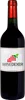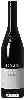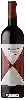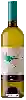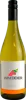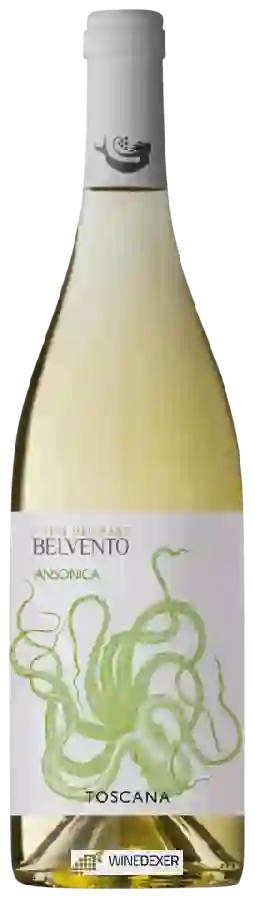
Winery PetraBelvento Ansonica
 White wine



In the mouth this white wine is a with a nice freshness.
This wine generally goes well with vegetarian, appetizers and snacks or lean fish.
Taste structure of the Belvento Ansonica from the Winery Petra
Light | Bold | |
Dry | Sweet | |
Soft | Acidic |
In the mouth the Belvento Ansonica of Winery Petra in the region of Tuscany is a with a nice freshness.
Food and wine pairings with Belvento Ansonica
Pairings that work perfectly with Belvento Ansonica



Original food and wine pairings with Belvento Ansonica


The Belvento Ansonica of Winery Petra matches generally quite well with dishes of pasta, vegetarian or appetizers and snacks such as recipes of quick salmon and zucchini lasagna, quiche without pastry, courgette and blue cheese or salted muffins with bacon and grated cheese.
Details and technical informations about Winery Petra's Belvento Ansonica.
Discover the grape variety: Nuragus
A very old variety grown in Italy, where it still plays an important role, particularly in Sardinia. - Synonyms: meragus, abbondosa, bruscu biancu, axina, garnaccia, granazza, burdu, malvasia di tura (for all the synonyms of the varieties). - Description: medium to large bunches, conical, voluminous, compact, short strong stems, often with a lignified part; medium-sized, spherical or slightly elongated berries, greenish-yellow to golden-yellow skin, sometimes amber with a pink tinge when fully ripe, soft pulp with a simple taste. - Production potential: late budding. Quite vigorous and very productive, suitable for almost all types of soil. Hardy, it resists well to the various cryptogamic diseases. Maturity: 3rd period average. - Wine type/Aromas: gives a heady wine of yellow straw color with sometimes golden reflections, provided in the majority of the cases with a good acidity.
Last vintages of this wine
The best vintages of Belvento Ansonica from Winery Petra are 2019, 0, 2018
Informations about the Winery Petra
The Winery Petra is one of of the world's great estates. It offers 29 wines for sale in the of Tuscany to come and discover on site or to buy online.

The wine region of Tuscany
Tuscany is one of the most famous and prolific wine regions in Europe. It is best known for its Dry red wines made from Sangiovese grapes, which dominate production. These include Chianti, Brunello di Montalcino and Vino Nobile di Montepulciano. The region's Vin Santo is also highly prized, as are its passito dessert wines, though these are produced in comparatively tiny quantities.
The word of the wine: Bâtonnage
A very old technique that has come back into fashion in modern oenology, which consists of shaking the white wine in the barrels at the end of fermentation, or after fermentation, with a stick or a flail, in order to suspend the fine lees composed of yeasts at the end of their activity. This process is sometimes used for red wines.