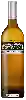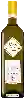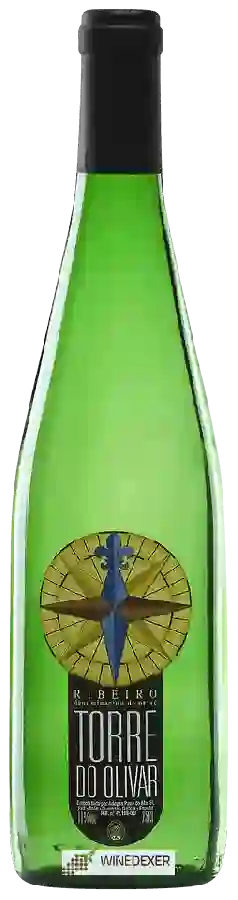
Winery Pazo do MarTorre do Olivar
 White wine


This wine generally goes well with
The Torre do Olivar of the Winery Pazo do Mar is in the top 60 of wines of Ribeiro.

Wine flavors and olphactive analysis

On the nose the Torre do Olivar of Winery Pazo do Mar in the region of Galice often reveals types of flavors of apples, pear or tree fruit.
Details and technical informations about Winery Pazo do Mar's Torre do Olivar.
Discover the grape variety: Précoce Bousquet
Table grape with medium bunches and golden berries with thin skin and juicy flesh, with a sweet, fresh flavour. Very early ripening, intended mainly for fresh consumption at the start of the summer season. Grown in small quantities in southern France for fresh consumption, marking the first summer market stalls and belonging to the traditional early table grape varieties. French white table grape variety, an early mutation obtained for fresh consumption.
Last vintages of this wine

The best vintages of Torre do Olivar from Winery Pazo do Mar are 2017, 2016, 2015, 2008
Informations about the Winery Pazo do Mar
The Winery Pazo do Mar is one of of the world's greatest estates. It offers 7 wines for sale in the of Ribeiro to come and discover on site or to buy online.

The wine region of Ribeiro
Ancestral Galician DO of north-west Spain, humid oceanic climate and granite soils (~2,500 ha). Mostly lively and elegant whites. Native Treixadura signature with signature notes of white apple, pear, white flowers, citrus, fresh herbs and a mineral touch, fruity and long palate. Often blended with taut Godello, saline Albariño, floral Loureira, Torrontés.
The wine region of Galice
Oceanic northwest Spain, cradle of the great Iberian whites. Signature Albarino of Rias Baixas: lively, saline whites with signature notes of citrus, white peach, white flowers, fresh almond and iodine minerality, a taut palate — a perfect match for Atlantic seafood. Also premium Godello (pear, citrus, butter), aromatic Treixadura. Supple Mencia reds (raspberry, herbs, graphite).
The word of the wine: Destemming
Action consisting in separating the grapes from the stalk before vinification. The stalk, the woody part of the bunch, may give the wine an unpleasant vegetal character.