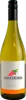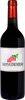
Winery Paul NelsonArmy Of Grapes Tempranillo
 Red wine



This wine generally goes well with pork, beef or game (deer, venison).

Wine flavors and olphactive analysis



On the nose the Army Of Grapes Tempranillo of Winery Paul Nelson in the region of Australie de l'Ouest often reveals types of flavors of red fruit, black fruit.
Food and wine pairings with Army Of Grapes Tempranillo
Pairings that work perfectly with Army Of Grapes Tempranillo



Original food and wine pairings with Army Of Grapes Tempranillo


The Army Of Grapes Tempranillo of Winery Paul Nelson matches generally quite well with dishes of beef, lamb or pork such as recipes of family potluck, pizza queen with merguez or cassoulet of yesteryear.
Details and technical informations about Winery Paul Nelson's Army Of Grapes Tempranillo.
Discover the grape variety: Tempranillo
Elegant, structured reds with aromas of strawberry, cherry, plum, leather, blond tobacco and pronounced vanilla from long oak ageing. Ranges from Joven to Crianza, Reserva and Gran Reserva. Star of Rioja DOCa, Ribera del Duero DO and Toro DO, also shines in the Douro as Tinta Roriz/Aragonez. One of the world's most planted Spanish varieties.
Last vintages of this wine
The best vintages of Army Of Grapes Tempranillo from Winery Paul Nelson are 2019, 0
Informations about the Winery Paul Nelson
The Winery Paul Nelson is one of of the world's great estates. It offers 36 wines for sale in the of Australie de l'Ouest to come and discover on site or to buy online.

The wine region of Australie de l'Ouest
Australian premium on Margaret River. Signature Bordeaux Cabernet-Merlot blends in red: deep and refined with notes of ripe blackcurrant, eucalyptus, cedar and graphite, firm tannins and great ageing, often compared to Médoc. Chardonnay rated Australia's best: taut, saline and mineral (lemon, hazelnut, brioche). Lively Sauvignon-Sémillon (citrus, cut grass).
The word of the wine: Sulphur
An antiseptic and antioxidant substance known since antiquity, probably already used by the Romans. But it was only in modern times that its use was rediscovered. It will allow a better conservation of the wine and thus favour its export. Sulphur also gave the 18th century winegrower the possibility of extending the maceration period without fearing that the wine would turn sour and thus go from dark rosé wines to the red wines of today. Excessive sulphur, on the other hand, kills happiness, paralysing the aromas and causing headaches.