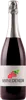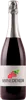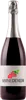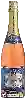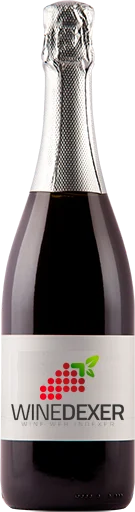
Winery Paul BurBrut Rosé
 Sparkling wine



This wine generally goes well with pork, beef or game (deer, venison).

Food and wine pairings with Brut Rosé
Pairings that work perfectly with Brut Rosé



Original food and wine pairings with Brut Rosé


The Brut Rosé of Winery Paul Bur matches generally quite well with dishes of beef, lamb or pork such as recipes of kafta bil saniyeh (lebanese dish), roast lamb with thyme or cannelloni of meat.
Details and technical informations about Winery Paul Bur's Brut Rosé.
Discover the grape variety: Tempranillo
Elegant, structured reds with aromas of strawberry, cherry, plum, leather, blond tobacco and pronounced vanilla from long oak ageing. Ranges from Joven to Crianza, Reserva and Gran Reserva. Star of Rioja DOCa, Ribera del Duero DO and Toro DO, also shines in the Douro as Tinta Roriz/Aragonez. One of the world's most planted Spanish varieties.
Informations about the Winery Paul Bur
The Winery Paul Bur is one of of the world's greatest estates. It offers 7 wines for sale in the of Burgundy to come and discover on site or to buy online.

The wine region of Burgundy
Absolute reference for great terroir wines: opulent, mineral Chardonnay in whites (chiselled Chablis, buttery Meursault, majestic Montrachet), fine and silky Pinot Noir in reds (full-bodied Gevrey, structured Pommard, delicate Volnay). Exceptional age-worthy wines with complex notes - red fruits, undergrowth, butter, hazelnut. Some lively Aligoté and light Gamay (Mâconnais). 29,500 ha, 84 tiered AOCs (Régionale, Village, 1er Cru, Grand Cru), 1,247 UNESCO Climats.
The word of the wine: Balthazar
Bottle with a capacity of 12 litres.