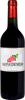
Winery Patrick Mourlan - La Bastide des OliviersLe Natural du Vigneron Rouge
 Red wine


This wine generally goes well with beef, lamb or mature and hard cheese.

Food and wine pairings with Le Natural du Vigneron Rouge
Pairings that work perfectly with Le Natural du Vigneron Rouge



Original food and wine pairings with Le Natural du Vigneron Rouge

The Le Natural du Vigneron Rouge of Winery Patrick Mourlan - La Bastide des Oliviers matches generally quite well with dishes of beef, lamb or spicy food such as recipes of tanjia, chaouia lamb or hawaiian pizza.
Details and technical informations about Winery Patrick Mourlan - La Bastide des Oliviers's Le Natural du Vigneron Rouge.
Discover the grape variety: Királyleányka
Lively, aromatic whites best enjoyed young, with a pale golden robe, airy palate with preserved acidity, and signature muscat, floral (acacia, orange blossom) and white fruit (pear, apple) aromas. Productive variety contributing to dry and off-dry Hungarian and Romanian whites, mainly in Transylvania and central Hungary. Hungarian autochthonous white grape whose name means "little princess".
Last vintages of this wine
The best vintages of Le Natural du Vigneron Rouge from Winery Patrick Mourlan - La Bastide des Oliviers are 2015
Informations about the Winery Patrick Mourlan - La Bastide des Oliviers
The Winery Patrick Mourlan - La Bastide des Oliviers is one of of the world's greatest estates. It offers 9 wines for sale in the of Provence to come and discover on site or to buy online.

The wine region of Provence
World capital of dry, refined rosé (~90% of production). Pale rose-petal colour, delicate nose of fresh red fruits (strawberry, raspberry, redcurrant), citrus (pink grapefruit), white flowers and a mineral touch, taut and thirst-quenching palate — the Mediterranean aperitif par excellence. Blends of Grenache, Cinsault, Syrah, Tibouren and Mourvèdre. Fleshy Bandol reds from Mourvèdre (leather, garrigue, age-worthy), straight Cassis whites.
The word of the wine: Decanting
A sommelier uses a decanter to separate the clear wine from the solid parts in a bottle.