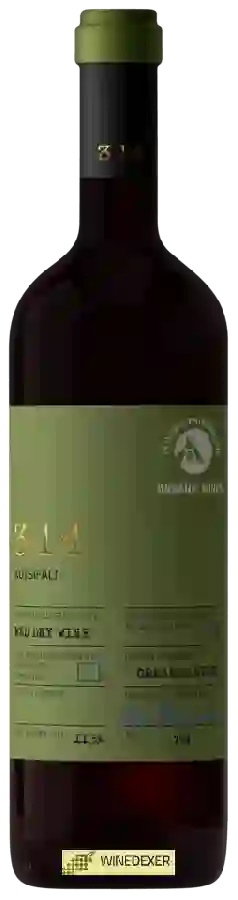
Winery Paterianakis3.14 Kotsifali Red
 Red wine



This wine generally goes well with
The 3.14 Kotsifali Red of the Winery Paterianakis is in the top 10 of wines of Peza.

Details and technical informations about Winery Paterianakis's 3.14 Kotsifali Red.
Discover the grape variety: Enfariné Noir
Light, fruity reds with a clear ruby hue, smooth tannins and an airy palate with lively acidity; signature aromas of red fruits (cherry, raspberry), gentle spices and Jura floral notes. Airy style, best drunk young. Preserved for its heritage value, it survives in a few heritage plots in the Jura and Ain. Ancient native French black grape of the Jura and Bugey, formerly more widespread, now near-extinct.
Last vintages of this wine
The best vintages of 3.14 Kotsifali Red from Winery Paterianakis are 0, 2017
Informations about the Winery Paterianakis
The Winery Paterianakis is one of of the world's greatest estates. It offers 12 wines for sale in the of Peza to come and discover on site or to buy online.

The wine region of Peza
Crete's most productive PDO (~70% of Cretan wine, Heraklion district, centre-north, vineyards above 300 m up to 800 m, calcisoils of dense clay to sandy loam preserving depth freshness, Mediterranean with hot summers and mild rainy winters). Kotsifali (75%) and Mandilaria (25%) are the autochthonous signature reds in the blended appellation — pale aromatic Kotsifali with fine tannins rounds out the rustic colourful tannicity of Mandilaria. 100% Vilana for whites.
The wine region of Crete
Largest Greek island and 2nd national wine region, millennia-old Minoan heritage. Signature native Vidiano in whites, rediscovered jewel: ample, expressive with signature apricot, yellow peach, white flowers, honey, tropical fruit and a mineral touch, round and long palate. Also fresh lemony Vilana, rare Plyto and Thrapsathiri. Liatiko reds (most planted) supple with cherry, dried herbs and spice; fruity Kotsifali, tannic Mandilari.
The word of the wine: Raw
A term whose meaning varies according to the region (terroir or estate), but which everywhere contains the idea of identifying a wine with a specific place of production.