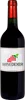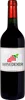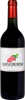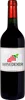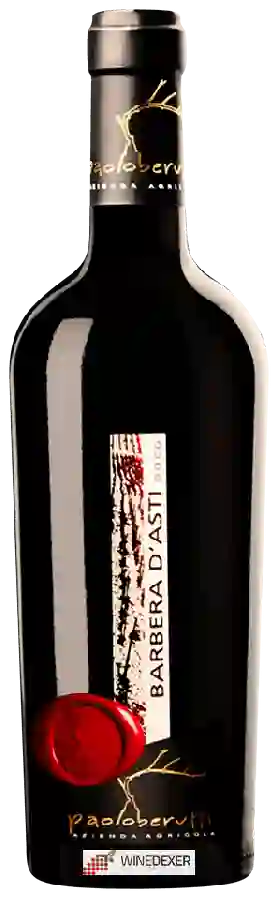
Winery Paolo BeruttiBarbera d'Asti
 Red wine


In the mouth this red wine is a powerful with a nice freshness.
This wine generally goes well with pork, poultry or veal.

Taste structure of the Barbera d'Asti from the Winery Paolo Berutti
Light | Bold | |
Smooth | Tannic | |
Dry | Sweet | |
Soft | Acidic |
In the mouth the Barbera d'Asti of Winery Paolo Berutti in the region of Piedmont is a powerful with a nice freshness.
Food and wine pairings with Barbera d'Asti
Pairings that work perfectly with Barbera d'Asti



Original food and wine pairings with Barbera d'Asti


The Barbera d'Asti of Winery Paolo Berutti matches generally quite well with dishes of pasta, veal or pork such as recipes of pork sautéed with chinese noodles, vitello alla genovese (roast veal with sponge cake) or ham with leek fondue.
Details and technical informations about Winery Paolo Berutti's Barbera d'Asti.
Discover the grape variety: Mondeuse
Structured, elegant age-worthy reds with a dark ruby colour, firm tannins and an ample palate with beautiful preserved acidity, showing signature aromas of black fruits (blackberry, blackcurrant), black pepper, violet and alpine spices. Star of the Vin de Savoie AOC appellation (Arbin, Saint-Jean-de-la-Porte), defining the great Savoyard age-worthy reds, a typical expression of the French Alps. Official synonym of Mondeuse Noire, French autochthonous black variety from Savoie.
Last vintages of this wine

The best vintages of Barbera d'Asti from Winery Paolo Berutti are 2012, 0, 2016
Informations about the Winery Paolo Berutti
The Winery Paolo Berutti is one of of the world's greatest estates. It offers 7 wines for sale in the of Barbera d'Asti to come and discover on site or to buy online.

The wine region of Barbera d'Asti
Apogee of Piedmont Barbera: a gourmet, vibrant red with signature notes of ripe cherry, raspberry, plum and violet, characteristic fresh acidity and supple tannins that make it immediately drinkable. A direct, everyday Italian style, perfect with charcuterie and pasta. Fleshier Superiore versions (14 months ageing) with liquorice and dark chocolate notes, and Nizza DOCG at the summit. 6,000 ha of clay-limestone hills between Asti and Alessandria.
The wine region of Piedmont
Kingdom of Nebbiolo: Barolo and Barbaresco DOCG, long-ageing reds with firm tannins and lively acidity, complex aromas of withered rose, sour cherry, tar, truffle and undergrowth. More accessible, tangy Barbera on red fruit, supple, crisp Dolcetto. Sweet, floral sparkling Moscato d'Asti, mineral, lemony Gavi (Cortese) white, round, almondy Arneis from Roero. 50,000 ha across the Langhe, Roero and Monferrato, UNESCO.
The word of the wine: Yeast
Micro-organisms at the base of all fermentative processes. A wide variety of yeasts live and thrive naturally in the vineyard, provided that treatments do not destroy them. Unfortunately, their replacement by laboratory-selected yeasts is often the order of the day and contributes to the standardization of the wine. Yeasts are indeed involved in the development of certain aromas.