The Winery Pamplin of Columbia Valley of Washington
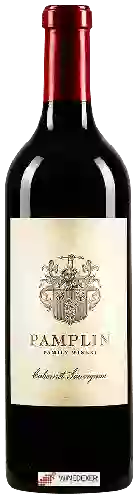
The Winery Pamplin is one of the best wineries to follow in Columbia Valley.. It offers 4 wines for sale in of Columbia Valley to come and discover on site or to buy online.

Looking for the best Winery Pamplin wines in Columbia Valley among all the wines in the region? Check out our tops of the best red, white or effervescent Winery Pamplin wines. Also find some food and wine pairings that may be suitable with the wines from this area. Learn more about the region and the Winery Pamplin wines with technical and enological descriptions.
How Winery Pamplin wines pair with each other generally quite well with dishes of beef, lamb or game (deer, venison) such as recipes of chili con carne, lamb tagine with figs or prime rib with chervil butter.
On the nose the red wine of Winery Pamplin. often reveals types of flavors of non oak, earth or oak and sometimes also flavors of spices, red fruit or black fruit. In the mouth the red wine of Winery Pamplin. is a powerful with a nice balance between acidity and tannins.
Cradle of Washington State's great reds. Dense, structured Cabernet Sauvignon (blackcurrant, blackberry, graphite, firm tannins), round velvety Merlot, signature Syrah with peppery notes, black olive and deep black fruit. Also precise whites: balanced Chardonnay, taut fruity Riesling with peach notes. Semi-desert vineyard of 24,300 ha sheltered by the Cascades, loess soils over basalt, strong temperature swings.
60% reds. Sought-after gems (Quilceda Creek, Leonetti).
Planning a wine route in the of Columbia Valley? Here are the wineries to visit and the winemakers to meet during your trip in search of wines similar to Winery Pamplin.
Deep, velvety reds with an intense purple colour, showing aromas of blackberry, black plum, violet, cocoa and gentle spice. Round tannins, fleshy palate, peppery length. Star of Cahors AOC (Côt, Auxerrois) in France and the absolute signature of Mendoza, Argentina (Uco Valley, Luján de Cuyo). A French South-West variety that became the Argentine emblem after its post-phylloxera decline.