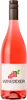
Winery PalminaSangiovese
 Red wine



In the mouth this red wine is a powerful with a nice balance between acidity and tannins.
This wine generally goes well with poultry, beef or veal.

Taste structure of the Sangiovese from the Winery Palmina
Light | Bold | |
Smooth | Tannic | |
Dry | Sweet | |
Soft | Acidic |
In the mouth the Sangiovese of Winery Palmina in the region of California is a powerful with a nice balance between acidity and tannins.
Wine flavors and olphactive analysis





On the nose the Sangiovese of Winery Palmina in the region of California often reveals types of flavors of non oak, earth or oak and sometimes also flavors of spices, citrus fruit or red fruit.
Food and wine pairings with Sangiovese
Pairings that work perfectly with Sangiovese



Original food and wine pairings with Sangiovese

The Sangiovese of Winery Palmina matches generally quite well with dishes of beef, veal or game (deer, venison) such as recipes of romazava (madagascar), veal escalope (piccata milanese) or garbure landaise.
Details and technical informations about Winery Palmina's Sangiovese.
Discover the grape variety: Sangiovese
Firm, upright reds with precise acidity and angular tannins, showing aromas of sour cherry, plum, dried herbs, leather, black tea and balsamic notes. Characteristically bitter, savoury finish. Star of Chianti Classico DOCG, Brunello di Montalcino DOCG, Vino Nobile di Montepulciano DOCG and Morellino di Scansano. Italy's most planted variety, a descendant of Ciliegiolo × Calabrese di Montenuovo.
Last vintages of this wine
The best vintages of Sangiovese from Winery Palmina are 0, 2016, 2015
Informations about the Winery Palmina
The Winery Palmina is one of of the world's great estates. It offers 36 wines for sale in the of Lodi to come and discover on site or to buy online.

The wine region of Lodi
Self-proclaimed world capital of Zinfandel (>40% of premium Californian production): old-vine red king (plantings from 1888) — opulent and jammy with notes of blackberry, plum, raspberry, pepper, liquorice and a tobacco touch, coated tannins. Cabernet, Syrah, Merlot, Tempranillo, Albariño, Barbera and Primitivo in the palette (>100 grapes). Viognier and Chardonnay in whites. Central Californian AVA (1986) east of the bay, Mediterranean climate tempered by the delta.
The wine region of California
Powerful, sunny reds: dense Napa Cabernet Sauvignon (blackcurrant, chocolate, tobacco, ample tannins), spicy, jammy Zinfandel from the Sierra Foothills, silky red-fruited Pinot Noir on the cool coast (Sonoma, Russian River, Central Coast). Opulent, buttery Chardonnay, notes of yellow fruit and vanilla. Varied climate, from the hot interior to the Pacific-cooled coast. 80% of US production, 139 AVAs including Napa (1st AVA, 1981).
The word of the wine: Yeast
Micro-organisms at the base of all fermentative processes. A wide variety of yeasts live and thrive naturally in the vineyard, provided that treatments do not destroy them. Unfortunately, their replacement by laboratory-selected yeasts is often the order of the day and contributes to the standardization of the wine. Yeasts are indeed involved in the development of certain aromas.