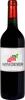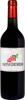
Domaine Pain de SucreRouge
 Red wine


This wine is a blend of 2 varietals which are the Cabernet-Sauvignon and the Merlot.
In the mouth this red wine is a powerful with a nice balance between acidity and tannins.
This wine generally goes well with beef, veal or pasta.

Taste structure of the Rouge from the Domaine Pain de Sucre
Light | Bold | |
Smooth | Tannic | |
Dry | Sweet | |
Soft | Acidic |
In the mouth the Rouge of Domaine Pain de Sucre in the region of Pays d'Oc is a powerful with a nice balance between acidity and tannins.
Food and wine pairings with Rouge
Pairings that work perfectly with Rouge



Original food and wine pairings with Rouge
The Rouge of Domaine Pain de Sucre matches generally quite well with dishes of beef, pasta or veal such as recipes of spaghetti squash bolognese style, ham and cheese macaroni gratin or osso-bucco with asian flavours, funambuline style.
Details and technical informations about Domaine Pain de Sucre's Rouge.
Discover the grape variety: Cabernet-Sauvignon
Structured, tannic reds, deeply coloured, with aromas of blackcurrant, blackberry, cedar, tobacco and graphite, underpinned by firm acidity and fine ageing potential. Cornerstone of the great Médoc estates (Pauillac, Saint-Estèphe, Saint-Julien) and signature of Napa Valley, Coonawarra and Maipo. The world's most planted red variety, a natural cross of Cabernet Franc x Sauvignon Blanc born in Bordeaux.
Informations about the Domaine Pain de Sucre
The Domaine Pain de Sucre is one of of the world's greatest estates. It offers 10 wines for sale in the of Pays d'Oc to come and discover on site or to buy online.

The wine region of Pays d'Oc
The single-grape IGP par excellence: modern, accessible, frank and fruity wines, the popular signature of the Midi. Spicy Syrah reds (pepper, blackberry), round Merlot, structured Cabernet, generous Grenache, supple Cinsault. Crisp, tangy rosés. Opulent Chardonnay whites, lively Sauvignon, floral, apricoty Viognier.
The word of the wine: Blanc de blancs (champagne)
Champagne made only from the Chardonnay grape. The expression has been somewhat overused by the intensive use made of it by certain large distributors of white table wines (or sparkling wines) who were thus seeking to promote their product.