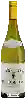
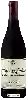
Winery Pierre Ferraud & FilsDe Vigne en Verre Châteauneuf-du-Pape
 Red wine


In the mouth this red wine is a powerful with a lot of tannins present in the mouth.
This wine generally goes well with pork, poultry or lamb.
The De Vigne en Verre Châteauneuf-du-Pape of the Winery Pierre Ferraud & Fils is in the top 60 of wines of Châteauneuf-du-Pape.
Taste structure of the De Vigne en Verre Châteauneuf-du-Pape from the Winery Pierre Ferraud & Fils
Light | Bold | |
Smooth | Tannic | |
Dry | Sweet | |
Soft | Acidic |
In the mouth the De Vigne en Verre Châteauneuf-du-Pape of Winery Pierre Ferraud & Fils in the region of Rhone Valley is a powerful with a lot of tannins present in the mouth.
Wine flavors and olphactive analysis


On the nose the De Vigne en Verre Châteauneuf-du-Pape of Winery Pierre Ferraud & Fils in the region of Rhone Valley often reveals types of flavors of earth, oak.
Food and wine pairings with De Vigne en Verre Châteauneuf-du-Pape
Pairings that work perfectly with De Vigne en Verre Châteauneuf-du-Pape



Original food and wine pairings with De Vigne en Verre Châteauneuf-du-Pape
The De Vigne en Verre Châteauneuf-du-Pape of Winery Pierre Ferraud & Fils matches generally quite well with dishes of lamb, pork or poultry such as recipes of lamb kleftiko (greek), home-made white pudding or fish and chips (english batter).
Details and technical informations about Winery Pierre Ferraud & Fils's De Vigne en Verre Châteauneuf-du-Pape.
Discover the grape variety: Camaralet de Lasseube
The camaralet of Lasseube has its origins in the Pyrenees, in Bearn. It can be called gentil aromatique, petit camarau or moustardet. Its bunches are of medium size but its berries are small. The berries turn golden yellow when they reach maturity. This grape variety has two approved clones since 1998: 1023 and 1024. It occupies a little less than one hectare in France and is often vinified with other grape varieties such as lauzet and gros manseng. Camaralet de Lasseube is matured about twenty days after Chasselas. Its more or less compact and winged bunches are not affected by grey rot until after maturity. Its female flowers often expose this grape variety to significant risks of coulure, which makes it possible to obtain an alcoholic wine that is full-bodied but fine. Depending on the type, the aromas of the camaralet de Lasseube may recall fennel, pepper or cinnamon.
Last vintages of this wine
The best vintages of De Vigne en Verre Châteauneuf-du-Pape from Winery Pierre Ferraud & Fils are 2016, 2015
Informations about the Winery Pierre Ferraud & Fils
The Winery Pierre Ferraud & Fils is one of of the world's greatest estates. It offers 94 wines for sale in the of Châteauneuf-du-Pape to come and discover on site or to buy online.

The wine region of Châteauneuf-du-Pape
The wine region of Châteauneuf-du-Pape is located in the region of Rhône méridional of Rhone Valley of France. Wineries and vineyards like the Domaine Pegau or the Château Rayas produce mainly wines red and white. The most planted grape varieties in the region of Châteauneuf-du-Pape are Mourvèdre, Roussanne and Clairette, they are then used in wines in blends or as a single variety. On the nose of Châteauneuf-du-Pape often reveals types of flavors of iron, chestnut or red licorice and sometimes also flavors of tarragon, pencil shavings or cured meat.
The wine region of Rhone Valley
The Rhone Valley is a key wine-producing region in Southeastern France. It follows the North-south course of the Rhône for nearly 240 km, from Lyon to the Rhône delta (Bouches-du-Rhône), near the Mediterranean coast. The Length of the valley means that Rhône wines are the product of a wide variety of soil types and mesoclimates. The viticultural areas of the region cover such a distance that there is a widely accepted division between its northern and southern parts.
The word of the wine: Concentrator
A device that removes water from grape must by reverse osmosis or entropy system. Its proponents say that it is better to remove water than to add sugar to produce more alcohol. The improperly used concentrator can also exaggerate bad tastes or greenness of tannins.