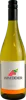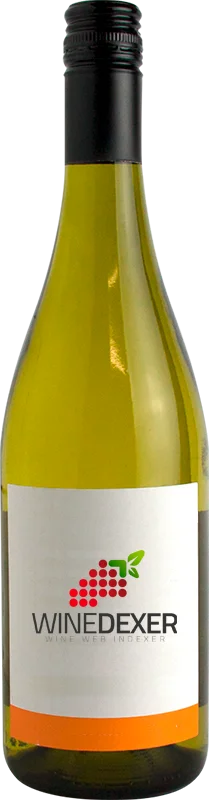
Winery OptaForte d'Alrota
 White wine



In the mouth this white wine is a .
This wine generally goes well with pork, lean fish or shellfish.

Taste structure of the Forte d'Alrota from the Winery Opta
Light | Bold | |
Dry | Sweet | |
Soft | Acidic |
In the mouth the Forte d'Alrota of Winery Opta in the region of Lisboa is a .
Food and wine pairings with Forte d'Alrota
Pairings that work perfectly with Forte d'Alrota



Original food and wine pairings with Forte d'Alrota

The Forte d'Alrota of Winery Opta matches generally quite well with dishes of pasta, pork or shellfish such as recipes of generous flaky quiche, wild boar bourguignon or knife feet.
Details and technical informations about Winery Opta's Forte d'Alrota.
Discover the grape variety: Merlot blanc
Simple, fresh dry whites, with a pale golden robe, a supple palate with moderate acidity on undemonstrative citrus and white flower aromas. Discreet rustic profile. Almost extinct, preserved in INRAE varietal collections for its patrimonial value, it testifies to the pre-phylloxera ampelographic diversity of the Bordeaux region. Rare French white variety, with no genetic link to red Merlot despite the name.
Last vintages of this wine
The best vintages of Forte d'Alrota from Winery Opta are 2016, 0
Informations about the Winery Opta
The Winery Opta is one of of the world's greatest estates. It offers 16 wines for sale in the of Bucelas to come and discover on site or to buy online.

The wine region of Bucelas
Historic Portuguese DOC 20 km north of Lisbon (Lisboa sub-region), sheltered from Atlantic extremes by the Serra de Montejunto, fossiliferous chalky marl soils called "caeiras". Arinto is the exclusive signature white (≥75%) — one of Portugal's greatest varieties: dry, taut and refined with vibrant notes of citrus, green apple, flowers and a mineral-saline touch, crisp acidity (close to a great Riesling), superb ageing potential. Esgana Cão as a lively complement.
The wine region of Lisboa
Vast coastal IGP north of Lisbon, Portugal's largest producer by volume. Accessible, sun-filled reds: fruity, spicy Castelão, dense Touriga Nacional (black fruit, violet), fleshy Trincadeira, deep Alicante Bouschet. Fresh, mineral whites: straight, lemony Arinto (star of Bucelas), aromatic Fernão Pires, round Vital and Malvasia. Structured reds from Alenquer, sparkling at Óbidos.
The word of the wine: Lightning
Large capacity barrel.