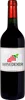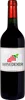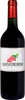
Winery O'Reilly'sNorbert Reserve Selection Sangiovese
 Red wine
This wine generally goes well with pork, poultry or beef.

Food and wine pairings with Norbert Reserve Selection Sangiovese
Pairings that work perfectly with Norbert Reserve Selection Sangiovese



Original food and wine pairings with Norbert Reserve Selection Sangiovese



The Norbert Reserve Selection Sangiovese of Winery O'Reilly's matches generally quite well with dishes of beef, veal or pork such as recipes of beef in white wine, sliced endives with ham or ham and cheese omelette.
Details and technical informations about Winery O'Reilly's's Norbert Reserve Selection Sangiovese.
Discover the grape variety: Sangiovese
Firm, upright reds with precise acidity and angular tannins, showing aromas of sour cherry, plum, dried herbs, leather, black tea and balsamic notes. Characteristically bitter, savoury finish. Star of Chianti Classico DOCG, Brunello di Montalcino DOCG, Vino Nobile di Montepulciano DOCG and Morellino di Scansano. Italy's most planted variety, a descendant of Ciliegiolo × Calabrese di Montenuovo.
Informations about the Winery O'Reilly's
The Winery O'Reilly's is one of of the world's greatest estates. It offers 17 wines for sale in the of Queensland to come and discover on site or to buy online.

The wine region of Queensland
Subtropical Australian wine state, high-altitude vineyards (800-1,000 m) on Granite Belt among the country's highest. Shiraz signature in red: structured and fresh with signature notes of blackberry, black cherry, black pepper, eucalyptus, spices and a mineral touch, firm tannins and a tense palate — altitude tempers the heat. Ample Chardonnay, firm Cabernet, supple Merlot. 'Strange Bird' program: floral Fiano, saline Vermentino, spicy Tempranillo, dense Saperavi.
The word of the wine: Maceration
Prolonged contact and exchange between the juice and the grape solids, especially the skin. Not to be confused with the time of fermentation, which follows maceration. The juice becomes loaded with colouring matter and tannins, and acquires aromas. For a rosé, the maceration is short so that the colour does not "rise" too much. For white wines too, a "pellicular maceration" can be practised, which allows the wine to acquire more fat.