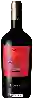
Winery NovacorteValpolicella Ripasso Classico Superiore
 Red wine


In the mouth this red wine is a powerful.
This wine generally goes well with beef, veal or game (deer, venison).

Taste structure of the Valpolicella Ripasso Classico Superiore from the Winery Novacorte
Light | Bold | |
Smooth | Tannic | |
Dry | Sweet | |
Soft | Acidic |
In the mouth the Valpolicella Ripasso Classico Superiore of Winery Novacorte in the region of Veneto is a powerful.
Food and wine pairings with Valpolicella Ripasso Classico Superiore
Pairings that work perfectly with Valpolicella Ripasso Classico Superiore



Original food and wine pairings with Valpolicella Ripasso Classico Superiore
The Valpolicella Ripasso Classico Superiore of Winery Novacorte matches generally quite well with dishes of beef, veal or game (deer, venison) such as recipes of autumn beef bourguignon, stuffed cutlets or rabbit with mustard in a casserole.
Details and technical informations about Winery Novacorte's Valpolicella Ripasso Classico Superiore.
Discover the grape variety: Minella Bianca
Lively and aromatic dry whites with a pale golden colour, supple palate and preserved acidity, with signature aromas of citrus (lemon), white flowers (acacia), white stone fruit (pear) and saline marine notes. A confidential island profile. Preserved for its heritage value, it produces artisanal local cuvées studied for their genetic interest. An indigenous Italian white variety from Sicily, grown in confidential quantities among rare Sicilian autochthonous varieties.
Last vintages of this wine

The best vintages of Valpolicella Ripasso Classico Superiore from Winery Novacorte are 2012, 2015, 2013, 0 and 2016.
Informations about the Winery Novacorte
The Winery Novacorte is one of of the world's greatest estates. It offers 29 wines for sale in the of Veneto to come and discover on site or to buy online.

The wine region of Veneto
World star of Prosecco: fresh, light Glera sparklers with notes of pear, green apple and white flowers, fruity, convivial bubbles. Veronese reds from Corvina and Rondinella: light, crisp Bardolino, fruity Valpolicella, opulent, concentrated Amarone DOCG (black cherry, chocolate, raisin) from dried grapes. Mineral, almondy Soave (Garganega) whites, fresh Pinot Grigio. 97,500 ha, Italy's largest production.
The word of the wine: Lemonade maker
Corkscrew of the wine waiter equipped with a small blade allowing to cut the capsule, a worm and a system of rack allowing to extract the cork easily.