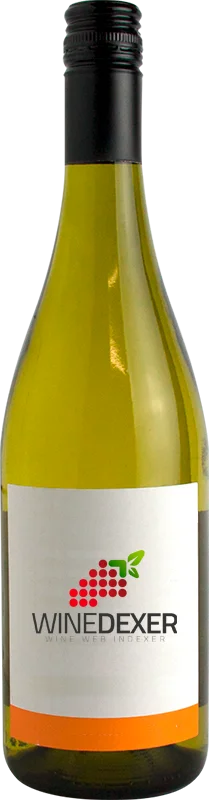
Winery NominumDry Blanco
 White wine


This wine generally goes well with
Details and technical informations about Winery Nominum's Dry Blanco.
Discover the grape variety: Perle de Csaba
It is thought to have originated in Hungary, as Adolf Stark, a winegrower in Bekescsaba (Hungary), created it in 1904. According to genetic analyses, it is the result of a cross between the Madeleine angevine and the Muscat fleur d'oranger. The Csaba pearl has been used to obtain a few crosses (the red Csaba pearl is an example), the aim always being to try to find new varieties with early maturity. Today, it is only found in ornamental gardens, interesting only for its great earliness. Its many defects mean that it is almost on the verge of extinction, although it is included in the official catalogue of vine varieties on the A1 list.
Last vintages of this wine
The best vintages of Dry Blanco from Winery Nominum are 2015, 0
Informations about the Winery Nominum
The Winery Nominum is one of of the world's greatest estates. It offers 6 wines for sale in the of La Mancha to come and discover on site or to buy online.

The wine region of La Mancha
The wine region of La Mancha is located in the region of Castille of Spain. Wineries and vineyards like the Domaine Cinco Estrellas or the Domaine Munoz produce mainly wines red, white and pink. The most planted grape varieties in the region of La Mancha are Tempranillo, Cabernet-Sauvignon and Merlot, they are then used in wines in blends or as a single variety. On the nose of La Mancha often reveals types of flavors of cherry, mint or jasmine and sometimes also flavors of sweet tobacco, graphite or grass.
The wine region of Castille
Castilla-La Mancha is a large region located South and east of the Spanish capital, Madrid. Inexpensive table wines are produced from a variety of Grapes. Higher quality wines are increasingly available, but the region is traditionally known as a source of low quality bulk wine. More than half of Spain's grapes are grown here.
The word of the wine: Flavours (families of)
Aromas are classified into categories called families of aromas: fruity, floral, fermentative, vegetal, woody, balsamic, spicy, mineral, empyreumatic, animal.