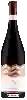
Winery Noi Vignaioli PiemontesiDolcetto
 Red wine



In the mouth this red wine is a powerful.
This wine generally goes well with beef, game (deer, venison) or lamb.

Taste structure of the Dolcetto from the Winery Noi Vignaioli Piemontesi
Light | Bold | |
Smooth | Tannic | |
Dry | Sweet | |
Soft | Acidic |
In the mouth the Dolcetto of Winery Noi Vignaioli Piemontesi in the region of Piedmont is a powerful.
Food and wine pairings with Dolcetto
Pairings that work perfectly with Dolcetto



Original food and wine pairings with Dolcetto

The Dolcetto of Winery Noi Vignaioli Piemontesi matches generally quite well with dishes of beef, pasta or lamb such as recipes of beef bourguignon with tomato, pasta with chicken and curry or baked lamb neck on a bed of vegetables and grapes.
Details and technical informations about Winery Noi Vignaioli Piemontesi's Dolcetto.
Discover the grape variety: Melon de Bourgogne
Dry, vivid and saline whites with a pale robe, slender mouthfeel and sharp acidity, with delicate aromas of citrus (lemon, grapefruit), green apple, white flowers, cut grass, iodine and marine mineral notes. Fine lees ageing adds richness and a brioche complexity. The absolute star of Muscadet AOC and Muscadet Sèvre-et-Maine AOC. An autochthonous Burgundian variety (Pinot Noir × Gouais Blanc), exiled to the Pays Nantais in the 17th century.
Last vintages of this wine
The best vintages of Dolcetto from Winery Noi Vignaioli Piemontesi are 2013, 0
Informations about the Winery Noi Vignaioli Piemontesi
The Winery Noi Vignaioli Piemontesi is one of of the world's greatest estates. It offers 11 wines for sale in the of Piedmont to come and discover on site or to buy online.

The wine region of Piedmont
Kingdom of Nebbiolo: Barolo and Barbaresco DOCG, long-ageing reds with firm tannins and lively acidity, complex aromas of withered rose, sour cherry, tar, truffle and undergrowth. More accessible, tangy Barbera on red fruit, supple, crisp Dolcetto. Sweet, floral sparkling Moscato d'Asti, mineral, lemony Gavi (Cortese) white, round, almondy Arneis from Roero. 50,000 ha across the Langhe, Roero and Monferrato, UNESCO.
The word of the wine: Alcoholic fermentation
Transformation of sugars into alcohol under the effect of yeast. These yeasts exist in their natural state in the vineyards and in the cellars. Artificial seeding with selected yeasts is however very often practiced.