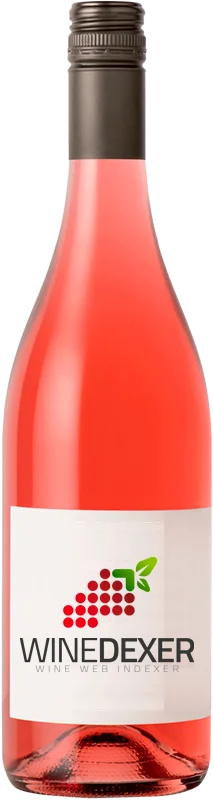
Winery Németh JánosNémethjanó Szekszárdi Siller
 Pink wine



This wine generally goes well with
Details and technical informations about Winery Németh János's Némethjanó Szekszárdi Siller.
Discover the grape variety: Pinot
Pinot noir is a grape variety that originated in France (Burgundy). It produces a variety of grape specially used for wine making. It is rare to find this grape to eat on our tables. This variety of grape is characterized by small bunches, and small grapes. Pinot noir can be found in many vineyards: Burgundy, Alsace, Jura, South-West, Languedoc & Roussillon, Cognac, Bordeaux, Savoie & Bugey, Loire Valley, Champagne, Armagnac, Lorraine, Beaujolais, Rhône Valley, Provence & Corsica.
Last vintages of this wine
The best vintages of Némethjanó Szekszárdi Siller from Winery Németh János are 2019, 0, 2013
Informations about the Winery Németh János
The Winery Németh János is one of of the world's greatest estates. It offers 21 wines for sale in the of Szekszárd to come and discover on site or to buy online.

The wine region of Szekszárd
The wine region of Szekszárd is located in the region of Dél-Pannónia of Hungary. Wineries and vineyards like the Domaine Dúzsi Tamás or the Domaine Takler produce mainly wines red, pink and white. The most planted grape varieties in the region of Szekszárd are Merlot, Cabernet franc and Cabernet-Sauvignon, they are then used in wines in blends or as a single variety. On the nose of Szekszárd often reveals types of flavors of cherry, cinnamon or pepper and sometimes also flavors of cocoa, black fruits or black currant.
The wine region of Dél-Pannónia
Hungary/eszak-dunantul/pannonhalma">Pannonhalma is a wine region in north-western Hungary. It constitutes the eastern corner of Transdanubia, the traditional region of Hungary which Lies across the Danube (trans danubia) from the Hungarian capital Budapest. As this corner of Hungary focuses mainly on red wine production, Pannonhalma's vineyards are planted mostly with the Bordeaux wine grapes Cabernet Sauvignon, Cabernet Franc, Merlot, as well as Burgundy's Pinot Noir. Pannonhalma is situated just south-east of Gyor, the regional capital of Gyor-Moson-Sopron county (of which Sopron makes up the western third), and the western Transdanubia region.
The word of the wine: Shipping (liquor)
In champagne and wines made according to the traditional method, wine is added before corking to fill the void in the bottle created by disgorging. This added wine is often sweetened by sugar incorporated in variable proportions according to the style of wine sought (see dosage). Syn.: liqueur de dosage.