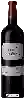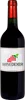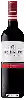
Bodegas NekeasAtlántica 45°N Garnacha Joven
 Red wine
In the mouth this red wine is a powerful.
This wine generally goes well with poultry, beef or game (deer, venison).

Taste structure of the Atlántica 45°N Garnacha Joven from the Bodegas Nekeas
Light | Bold | |
Smooth | Tannic | |
Dry | Sweet | |
Soft | Acidic |
In the mouth the Atlántica 45°N Garnacha Joven of Bodegas Nekeas in the region of Navarre is a powerful.
Food and wine pairings with Atlántica 45°N Garnacha Joven
Pairings that work perfectly with Atlántica 45°N Garnacha Joven



Original food and wine pairings with Atlántica 45°N Garnacha Joven


The Atlántica 45°N Garnacha Joven of Bodegas Nekeas matches generally quite well with dishes of beef, pasta or lamb such as recipes of oxtail confit in red wine, wok of chinese noodles with vegetables or sauté of lamb.
Details and technical informations about Bodegas Nekeas's Atlántica 45°N Garnacha Joven.
Discover the grape variety: Bouquettraube
Aromatic sweet and off-dry whites with a pale golden robe, a fragrant and fresh palate with preserved acidity, intense signature musky aromas (fresh grapes, rose), white flowers and spiced notes. Seductive aromatic profile. Grown on small surfaces in Germany and South Africa, mainly serves for aromatic sweet and off-dry whites. German white grape obtained in 1928 in Alzey by Georg Scheu, a crossing of Silvaner x Portugieser.
Informations about the Bodegas Nekeas
The Bodegas Nekeas is one of of the world's great estates. It offers 53 wines for sale in the of Navarre to come and discover on site or to buy online.

The wine region of Navarre
Spanish reference for great Garnacha rosés: raspberry-pink colour, notes of crushed strawberry, cherry, citrus and white flowers, dry and gourmet palate. The emblematic grape (~70% of reds in the past), also in supple, sun-filled reds. Tempranillo on the rise in modern blends, fine spicy Graciano, Cabernet and Merlot. Fresh Chardonnay and Viura whites.
The word of the wine: Presses
The juice that results from pressing the grapes after fermentation. At the end of the maceration, the vats are emptied, the first juice obtained is called the free-run wine and the marc remaining at the bottom of the vat is then pressed to give the press wine. We say more quickly "the presses". Their quality varies according to the vintage and the maceration. A too vigorous extraction releases the tannins of pips and the wine of press can then prove to be very astringent. Often the winemaker raises it separately, deciding later whether or not to incorporate it totally or partially into the grand vin.