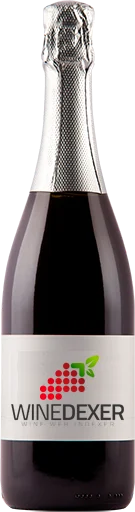
Winery Quinta da MurtaBrut Nature
 Sparkling wine



This wine generally goes well with

Wine flavors and olphactive analysis



On the nose the Brut Nature of Winery Quinta da Murta in the region of Lisboa often reveals types of flavors of earth, microbio or citrus fruit.
Details and technical informations about Winery Quinta da Murta's Brut Nature.
Discover the grape variety: Tinta negra mole
Dry, medium-dry, medium-sweet and sweet fortified Madeira wines, with an amber to mahogany hue, ample, oxidative palate and aromas of dried fruits (fig, walnut), caramel, coffee, spices and maderised rancio notes. Embodies the modern identity of the Madeira DOP appellation, accounting for over 80% of commercially sold Madeira. Portuguese black grape, the most planted on Madeira island, productive and adaptable.
Last vintages of this wine
The best vintages of Brut Nature from Winery Quinta da Murta are 2014, 2013, 2012, 0
Informations about the Winery Quinta da Murta
The Winery Quinta da Murta is one of of the world's greatest estates. It offers 10 wines for sale in the of Bucelas to come and discover on site or to buy online.

The wine region of Bucelas
Historic Portuguese DOC 20 km north of Lisbon (Lisboa sub-region), sheltered from Atlantic extremes by the Serra de Montejunto, fossiliferous chalky marl soils called "caeiras". Arinto is the exclusive signature white (≥75%) — one of Portugal's greatest varieties: dry, taut and refined with vibrant notes of citrus, green apple, flowers and a mineral-saline touch, crisp acidity (close to a great Riesling), superb ageing potential. Esgana Cão as a lively complement.
The wine region of Lisboa
Vast coastal IGP north of Lisbon, Portugal's largest producer by volume. Accessible, sun-filled reds: fruity, spicy Castelão, dense Touriga Nacional (black fruit, violet), fleshy Trincadeira, deep Alicante Bouschet. Fresh, mineral whites: straight, lemony Arinto (star of Bucelas), aromatic Fernão Pires, round Vital and Malvasia. Structured reds from Alenquer, sparkling at Óbidos.
The word of the wine: Wiring
Action of periodically filling barrels containing wine, in order to offset evaporation and maintain a maximum level. The topping up allows to avoid the phenomenon of oxidation.