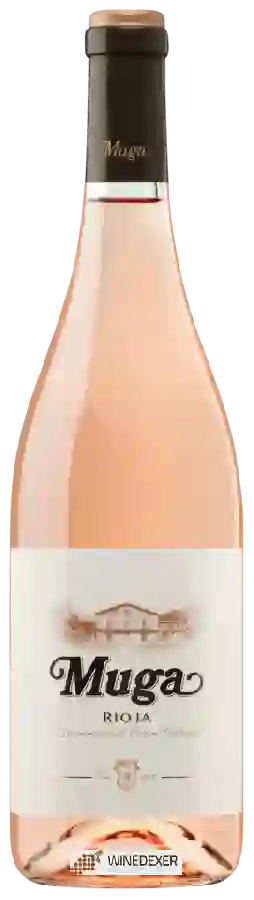
Winery MugaRosado
 Pink wine



This wine is composed of 100% of the grape variety Garnacha.
This wine generally goes well with pork, beef or game (deer, venison).

Wine flavors and olphactive analysis






On the nose the Rosado of Winery Muga in the region of Rioja often reveals types of flavors of pineapple, cream or cherry and sometimes also flavors of grapefruit, oaky or tropical.
Food and wine pairings with Rosado
Pairings that work perfectly with Rosado



Original food and wine pairings with Rosado



The Rosado of Winery Muga matches generally quite well with dishes of beef, lamb or pork such as recipes of cataplana with seafood, saddle of lamb stuffed with chicken breast and basil or flamenkuche express.
Details and technical informations about Winery Muga's Rosado.
Discover the grape variety: Tempranillo
Elegant, structured reds with aromas of strawberry, cherry, plum, leather, blond tobacco and pronounced vanilla from long oak ageing. Ranges from Joven to Crianza, Reserva and Gran Reserva. Star of Rioja DOCa, Ribera del Duero DO and Toro DO, also shines in the Douro as Tinta Roriz/Aragonez. One of the world's most planted Spanish varieties.
Last vintages of this wine
The best vintages of Rosado from Winery Muga are 2011, 2019, 2018, 2016 and 2007.
Informations about the Winery Muga
The Winery Muga is one of of the world's great estates. It offers 23 wines for sale in the of Rioja to come and discover on site or to buy online.

The wine region of Rioja
Star of great Spanish reds: signature Tempranillo, elegant and complex, with notes of ripe cherry, plum, leather, vanilla and tobacco from American oak ageing. Classification by age: fruity Joven, balanced Crianza, ample Reserva, deep, silky Gran Reserva (5 years, 2 in barrel). Some fresh Viura whites and generous rosés. Spain's first DOCa (1991), 3 sub-zones (Alta, Alavesa, Oriental), 93.
The word of the wine: Sweet (flavor)
The flavour provided by the residual sugars naturally present in the wine as well as by certain alcohols. This sensation can range from a simple impression of smoothness to a clear sweetness. We speak of roundness, fatness and mellowness.


