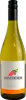
Winery Morgado do QuintãoPalhete Rosé
 Pink wine



This wine generally goes well with
The Palhete Rosé of the Winery Morgado do Quintão is in the top 5 of wines of Algarve.
Wine flavors and olphactive analysis





On the nose the Palhete Rosé of Winery Morgado do Quintão in the region of Algarve often reveals types of flavors of earth, microbio or red fruit and sometimes also flavors of floral.
Details and technical informations about Winery Morgado do Quintão's Palhete Rosé.
Discover the grape variety: Courbu blanc
Native variety of the Pyrenean vineyard that does not correspond to the white form of the courbu noir. It should not be confused with the petit courbu, published genetic analysis has shown that it is related to one or more varieties including the lercat and for more details click here! Courbu blanc is registered in the official catalogue of wine grape varieties, list A1.
Last vintages of this wine
The best vintages of Palhete Rosé from Winery Morgado do Quintão are 2018, 0, 2017
Informations about the Winery Morgado do Quintão
The Winery Morgado do Quintão is one of of the world's greatest estates. It offers 10 wines for sale in the of Algarve to come and discover on site or to buy online.

The wine region of Algarve
Algarve ('the Algarve' to most English speakers) is the southernmost wine region of Portugal, and the far southwestern corner of the Iberian Peninsula. It is more widely known for its beaches and thriving tourist industry than its wines. Although a small quantity of fresh-styled white wines are made here, the wines of the Algarve are predominantly red, and made from classic Portuguese varieties like Castelão and Touriga Nacional, as well as more international varieties like Syrah. The region's wines are produced largely by a by a small number of upscale co-operatives, although the fashion for independent producers is catching on quickly.
The word of the wine: Persistence
Persistence in the mouth of a wine measured in caudalies.