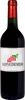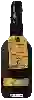
Bodegas MorenoMusa Fino
 Sweet wine
This wine generally goes well with
Details and technical informations about Bodegas Moreno's Musa Fino.
Discover the grape variety: Datal
Intraspecific crossing obtained in 1956 between the Beirut date palm and the Alexandria muscatel. This variety is not widely cultivated in France, although it is registered in the Official Catalogue of table grape varieties, list A1. It can be found in South Africa, Portugal, etc.
Informations about the Bodegas Moreno
The Bodegas Moreno is one of of the world's greatest estates. It offers 10 wines for sale in the of Montilla-Moriles to come and discover on site or to buy online.

The wine region of Montilla-Moriles
The wine region of Montilla-Moriles is located in the region of Andalousie of Spain. Wineries and vineyards like the Domaine Toro Albalá or the Domaine Cruz Conde produce mainly wines natural sweet, white and sweet. The most planted grape varieties in the region of Montilla-Moriles are Verdejo, Cabernet-Sauvignon and Chardonnay, they are then used in wines in blends or as a single variety. On the nose of Montilla-Moriles often reveals types of flavors of chocolate, tar or floral and sometimes also flavors of red fruit, orange zest or cigar.
The wine region of Andalousie
Andalusia, located in the southwest of Spain, is the southernmost administrative region of the Spanish mainland. It is home to the world-famous fortified wine, sherry. This dynamic region is the most populous in Spain and has a colourful history. Its strategic position at the gateway to the Mediterranean and its proximity to Africa have made it the target of many settlements and invasions throughout history.
The word of the wine: Cep
Grapevine.