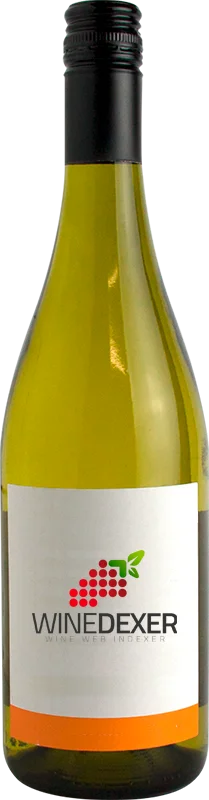
Winery Monti CecubiVinum Caecubum Bianco
 White wine


In the mouth this white wine is a powerful with a nice freshness.
This wine generally goes well with vegetarian, appetizers and snacks or lean fish.

Taste structure of the Vinum Caecubum Bianco from the Winery Monti Cecubi
Light | Bold | |
Dry | Sweet | |
Soft | Acidic |
In the mouth the Vinum Caecubum Bianco of Winery Monti Cecubi in the region of Lazio is a powerful with a nice freshness.
Food and wine pairings with Vinum Caecubum Bianco
Pairings that work perfectly with Vinum Caecubum Bianco



Original food and wine pairings with Vinum Caecubum Bianco


The Vinum Caecubum Bianco of Winery Monti Cecubi matches generally quite well with dishes of pasta, vegetarian or appetizers and snacks such as recipes of pasta with artichoke hearts and bacon, quiche without pastry or sunshine pie with tomato pesto and pine nuts.
Details and technical informations about Winery Monti Cecubi's Vinum Caecubum Bianco.
Discover the grape variety: Trebbiano romagnolo
Simple and fresh whites to drink young, with a pale golden hue, an airy palate with moderate acidity and discreet signature aromas of citrus and white flowers. Also used for frizzante sparkling wines and as a base for balsamic vinegar. The backbone of Romagnan white wines and Modena balsamic vinegar production, also used for distillation. Highly productive Trebbiano variety grown in Emilia-Romagna.
Last vintages of this wine
The best vintages of Vinum Caecubum Bianco from Winery Monti Cecubi are 0
Informations about the Winery Monti Cecubi
The Winery Monti Cecubi is one of of the world's greatest estates. It offers 10 wines for sale in the of Lazio to come and discover on site or to buy online.

The wine region of Lazio
Two-millennia Roman vineyard, predominantly white on the volcanic soils of the Castelli Romani. Frascati DOC as figurehead: fresh, accessible whites based on Malvasia and Trebbiano, notes of green apple, white flowers and almond, slightly bitter finish. Also Bellone and Grechetto. Emblematic red: Cesanese del Piglio DOCG, fleshy with notes of ripe cherry, dry herbs and spice, round tannins.
The word of the wine: Texture
In tasting, the equivalent of touch. It is the set of tactile sensations perceived by the mucous membranes of the mouth: silky, velvety, sticky, fatty, astringent, pasty, etc.