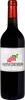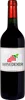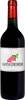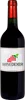
Winery Monte SchiavoArche Verdicchio dei Castelli di Jesi Passito
 wine
wine
This wine generally goes well with
The Arche Verdicchio dei Castelli di Jesi Passito of the Winery Monte Schiavo is in the top 0 of wines of Verdicchio dei Castelli di Jesi.
Details and technical informations about Winery Monte Schiavo's Arche Verdicchio dei Castelli di Jesi Passito.
Discover the grape variety: Madeleine angevine
Resulting from a sowing carried out in 1857 in Angers (Maine and Loire Valley) by Jean-Pierre Vibert and from 1863 marketed by the Moreau-Robert company. According to genetic analyses, this variety is the result of a cross between the royal madeleine and the blanc d'ambre. It has been used very often by hybridizers, the Csaba pearl being a good example. This variety is found in the United States (Washington), Germany and England, where it is vinified and its wine appreciated. - Synonymy: Angevine (for all the synonyms of the varieties, click here!).
Informations about the Winery Monte Schiavo
The Winery Monte Schiavo is one of of the world's great estates. It offers 24 wines for sale in the of Verdicchio dei Castelli di Jesi to come and discover on site or to buy online.

The wine region of Verdicchio dei Castelli di Jesi
The wine region of Verdicchio dei Castelli di Jesi is located in the region of Marches of Italy. Wineries and vineyards like the Domaine Fattoria San Lorenzo or the Domaine Azienda Santa Barbara - Stefano Antonucci produce mainly wines white, sparkling and sweet. The most planted grape varieties in the region of Verdicchio dei Castelli di Jesi are Chardonnay, Cortese and Pecorino, they are then used in wines in blends or as a single variety. On the nose of Verdicchio dei Castelli di Jesi often reveals types of flavors of citrus, nectarine or chalk and sometimes also flavors of cheese, raisin or plum.
The wine region of Marche
Marche (or Le Marche; pronounced Mar-kay) is a region in eastern CentralItaly. It is most associated with white wines made from Trebbiano and Verdicchio grapes. Marche occupies a roughly triangular area. Its longer sides are formed by the Apennine Mountains to the west and the Adriatic Sea to the east.
The word of the wine: Millerandage
Poor fertilization of some grapes at the time of flowering in cold or rainy weather. Milled grapes do not grow and usually do not contain seeds.