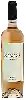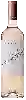
Winery Monte AmareloRosé
 Pink wine


This wine generally goes well with
Details and technical informations about Winery Monte Amarelo's Rosé.
Discover the grape variety: Nuragus
A very old variety grown in Italy, where it still plays an important role, particularly in Sardinia. - Synonyms: meragus, abbondosa, bruscu biancu, axina, garnaccia, granazza, burdu, malvasia di tura (for all the synonyms of the varieties). - Description: medium to large bunches, conical, voluminous, compact, short strong stems, often with a lignified part; medium-sized, spherical or slightly elongated berries, greenish-yellow to golden-yellow skin, sometimes amber with a pink tinge when fully ripe, soft pulp with a simple taste. - Production potential: late budding. Quite vigorous and very productive, suitable for almost all types of soil. Hardy, it resists well to the various cryptogamic diseases. Maturity: 3rd period average. - Wine type/Aromas: gives a heady wine of yellow straw color with sometimes golden reflections, provided in the majority of the cases with a good acidity.
Last vintages of this wine
The best vintages of Rosé from Winery Monte Amarelo are 0
Informations about the Winery Monte Amarelo
The Winery Monte Amarelo is one of of the world's greatest estates. It offers 9 wines for sale in the of Alentejano to come and discover on site or to buy online.

The wine region of Alentejano
Tejo">Alentejo is a well-known, highly respected wine region in eastern Portugal. This hot, Dry area covers approximately a third of the country and is best known for its red wine, the best of which are sold under the and Alentejo DOC (Denominacao de Origem Controlada) title. Wine from Alentejo is typically made from Aragonez (Tempranillo), Castelao, Trincadeira or a Rich, ripe, jammy blend of the three. Antao Vaz is the white variety of choice here, producing a good level of Acidity and tropical fruit flavors.
The word of the wine: Color
The colour of wines is characterized by its intensity and its nuances of hue. The intensity is specific to each grape variety, while the nuances of colour are linked to the evolution of the wine over time.